Explore More Blogs

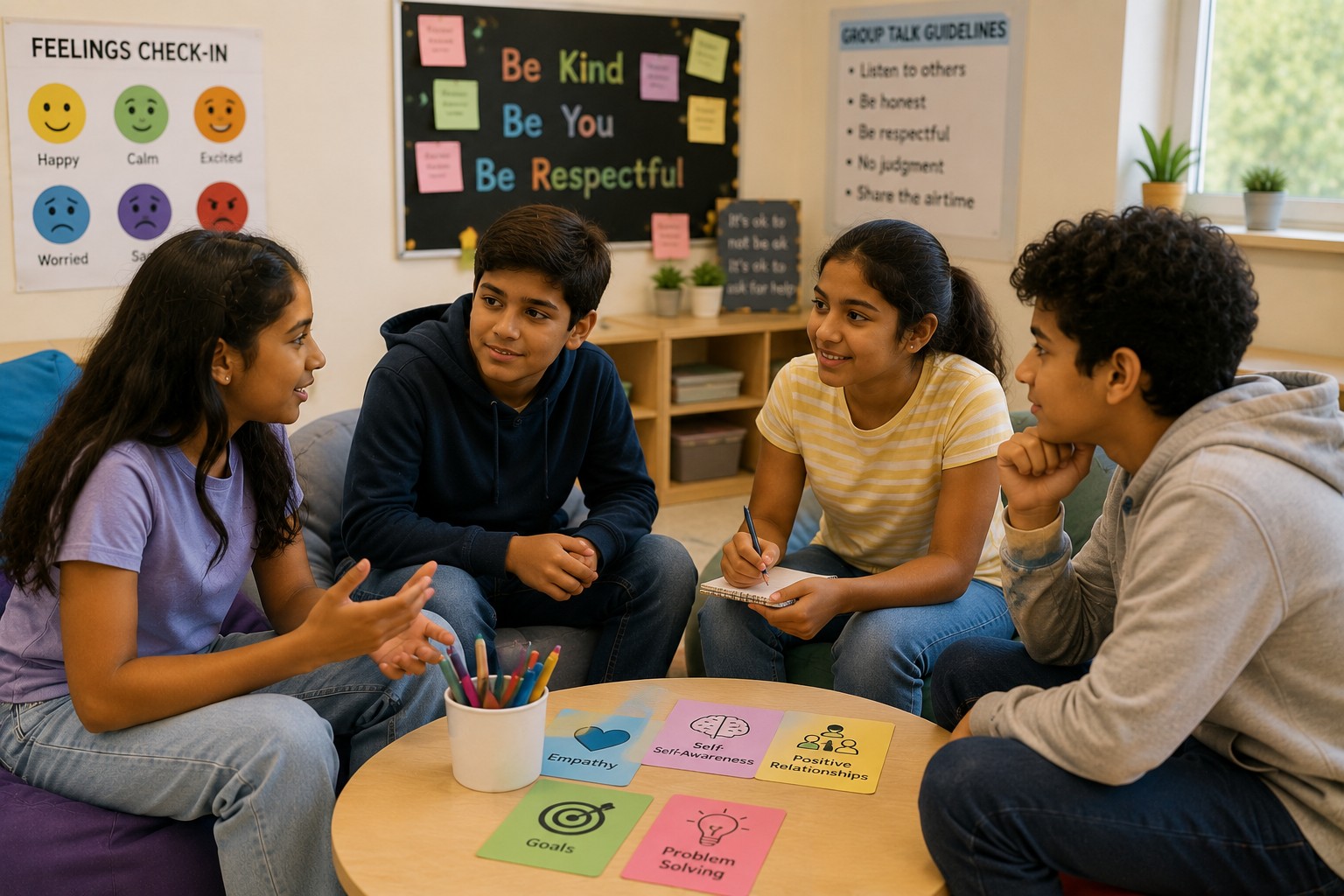
What Is Social Emotional Learning? The Complete Guide Indian Parents Actually Need SEL
What Is Social Emotional Learning? The Complete Guide Indian Parents Actually Need

What Is Social Emotional Learning (SEL)? Complete Guide for Indian Parents 2026Here is a startling fact: 90% of Indian parents have never heard of Social Emotional Learning — yet researchers at CASEL have tracked 270,000 students across 213 studies and found it improves academic performance by 11%. That is bigger than most tutoring programs. And it costs nothing if you know how to do it at home.If...

Read more →
What Is Emotional Intelligence in Children? A Guide for Parents and Teachers SEL
What Is Emotional Intelligence in Children? A Guide for Parents and Teachers

Last week, a mother told me about her son's cricket match. His team lost — badly — and on the drive home he sat in the back seat, silent, arms crossed, staring out the window. She tried the usual things. "It's just a game." "You played well." "Are you hungry, should we stop for something?" Nothing. He didn't say a word until they pulled into the driveway, and then he snapped at his younger sister ...

Read more →
Classroom Behaviour Strategies That Actually Work SEL
Classroom Behaviour Strategies That Actually Work

Two kids drop their pencil case on the floor at the same moment. Mid-lesson, in the same class, thirty seconds apart.The first teacher stops the lesson: "Who did that? That's the third time today, this is unacceptable." Twenty-five heads turn. The kid goes red, mutters something under his breath, and spends the next ten minutes staring at his desk instead of the board.The second teacher, two doors...

Read more →
10 Emotional Intelligence Activities for Kids (That Actually Work) SEL
10 Emotional Intelligence Activities for Kids (That Actually Work)

A father once told me his six-year-old had started narrating his own meltdowns. Mid-tantrum, red-faced, fists clenched, the boy would stop and announce: "I am having a VERY big feeling right now." Then he'd go right back to being upset.It sounds almost comic, but it's actually a small miracle. He hadn't learned to stop the feeling — nobody does that at six, or honestly at thirty-six. What he'd lea...

Read more →
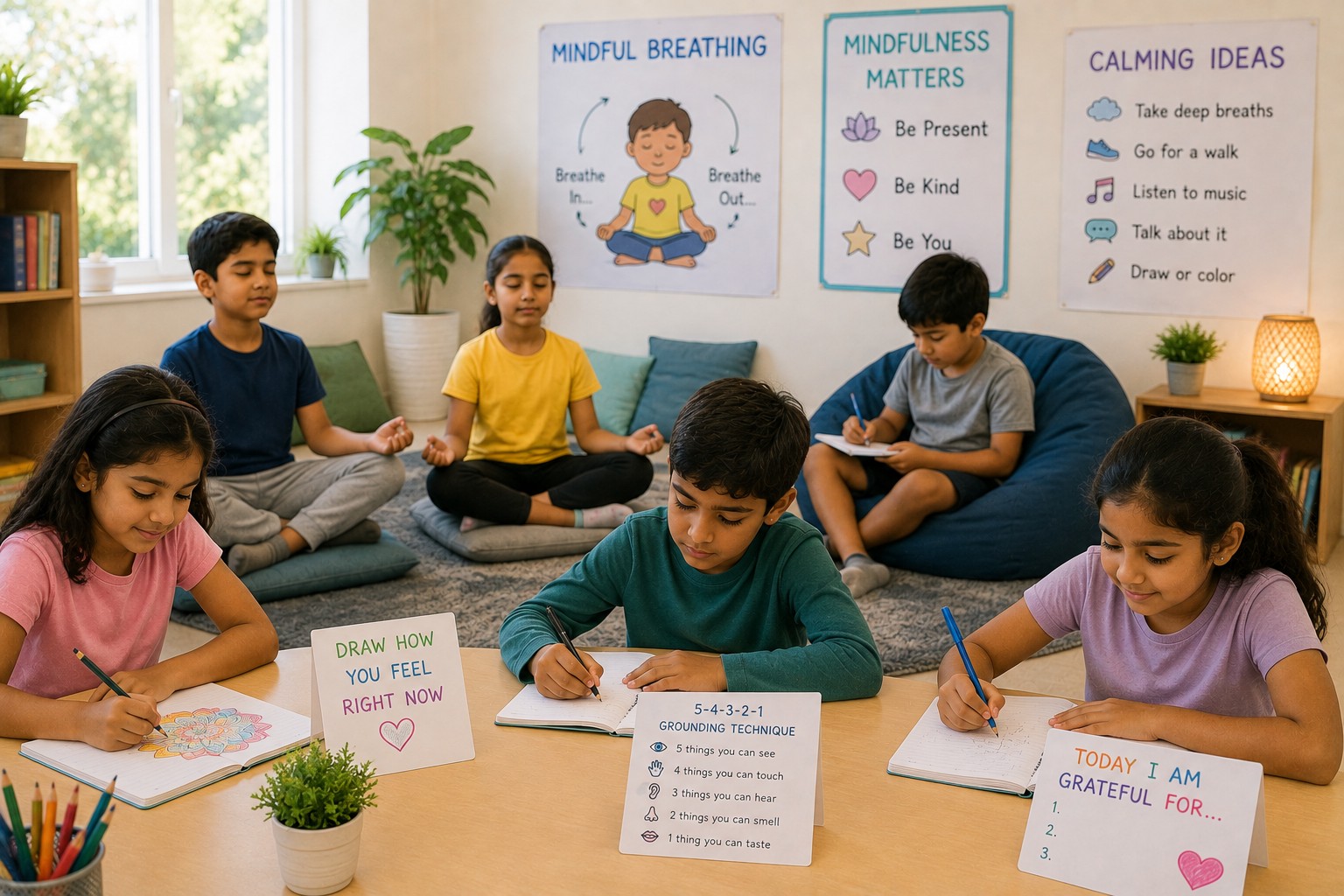
Mindfulness for Children: A Guide for Parents and Teachers (+10 Activities) SEL
Mindfulness for Children: A Guide for Parents and Teachers (+10 Activities)

A teacher once told me about a boy in her class who, whenever he got frustrated with his work, would put his head down on the desk and refuse to move. Nothing she said reached him. One day, almost by accident, she crouched next to him and said, "Let's just breathe together for a minute. In for four, out for four." No talking, no fixing, just counting breaths side by side. Ninety seconds later, he ...

Read more →
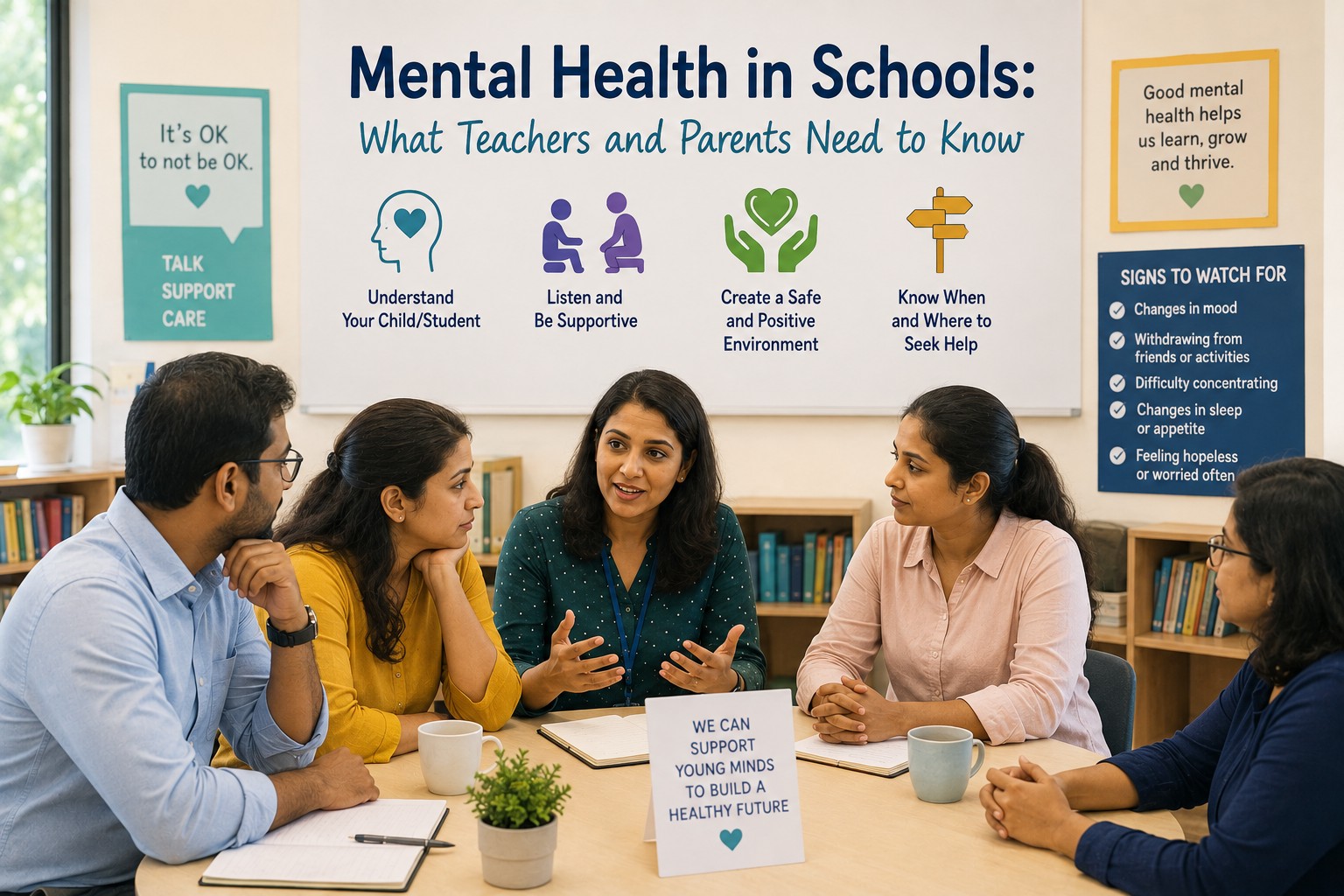
Mental Health in Schools: What Teachers and Parents Need to Know SEL
Mental Health in Schools: What Teachers and Parents Need to Know

A teacher once described a student who'd always been one of her best — punctual, tidy homework, hand up first with the answer. Over a few months, almost without her noticing, the hand stopped going up. The homework got thinner. She assumed he was going through a "phase," maybe getting lazy, maybe distracted by something at home. It wasn't until a routine check-in, weeks later, that he quietly said...

Read more →
The Parent Emotional Intelligence Guide SEL
The Parent Emotional Intelligence Guide

Where most parents startSomewhere between the first tantrum and the hundredth, most parents land in the same place: reacting. A child melts down over a broken LEGO piece, or a missing shoe, or a video game loss, and the instinct that shows up first is rarely a calm one. "It's just a toy, calm down." "Stop crying, you're fine." "We don't have time for this right now."None of these come from bad int...

Read more →
What Is Social Emotional Learning? Here's Everything You Need to Know SEL
What Is Social Emotional Learning? Here's Everything You Need to Know

Let's start with a number that should stop you mid-scroll.Researchers tracked 270,034 students across 213 separate studies. Every single study measured the same thing: what happens when kids get structured practice in managing emotions, building relationships, and making good decisions — alongside their regular academics, not instead of them.The result? An 11 percentile-point jump in academic achi...

Read more →
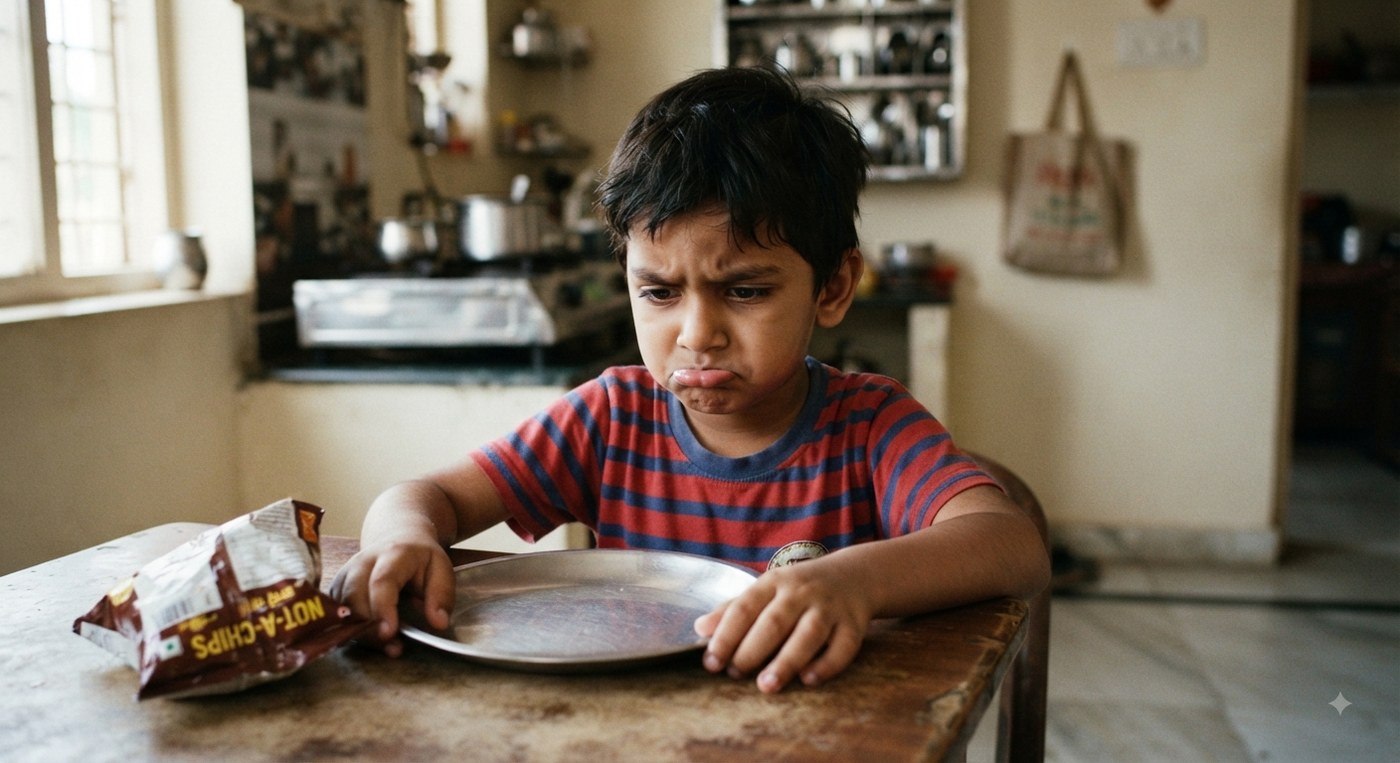
Child Emotional Meltdowns: Why They're a Learning Opportunity (Not a Discipline Problem) SEL
Child Emotional Meltdowns: Why They're a Learning Opportunity (Not a Discipline Problem)

Your 9-year-old is screaming because their homework is hard. Your first instinct is to punish the behaviour.Here's the problem with that instinct: punishing a meltdown is a lot like punishing a child for breaking their arm. It treats a biological event as a choice. And once you understand what's actually happening inside your child's brain in that moment, the old playbook stops making sense.Let's ...

Read more →
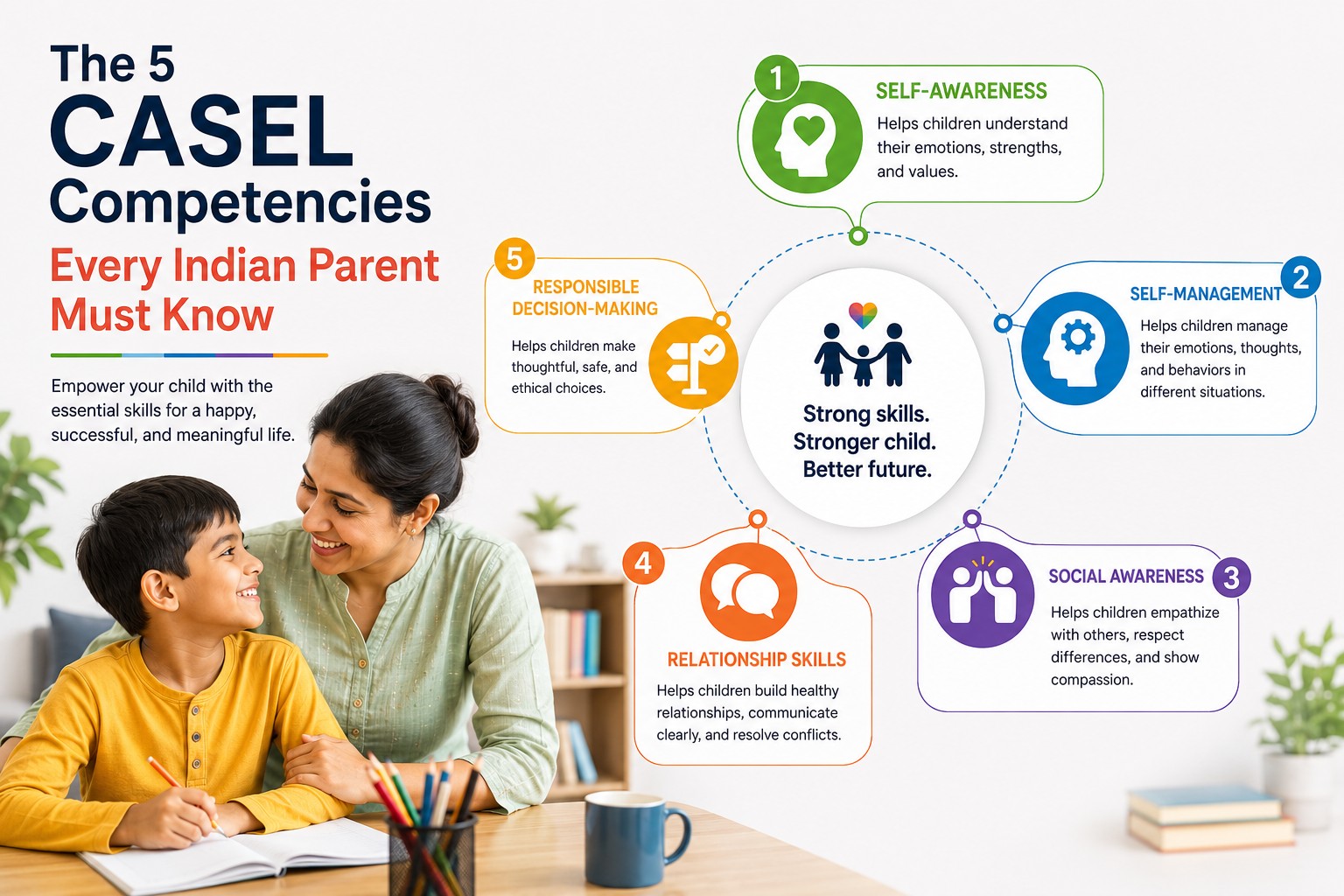
The 5 CASEL Competencies Every Indian Parent Must Know SEL
The 5 CASEL Competencies Every Indian Parent Must Know

Here's a question worth sitting with: could you name the five specific skills that determine whether your child grows into someone who can manage stress, hold a friendship, and make a good decision under pressure?Most parents can't. Not because they don't care — because nobody ever handed them the list.CASEL — the Collaborative for Academic, Social, and Emotional Learning — has spent decades build...

Read more →
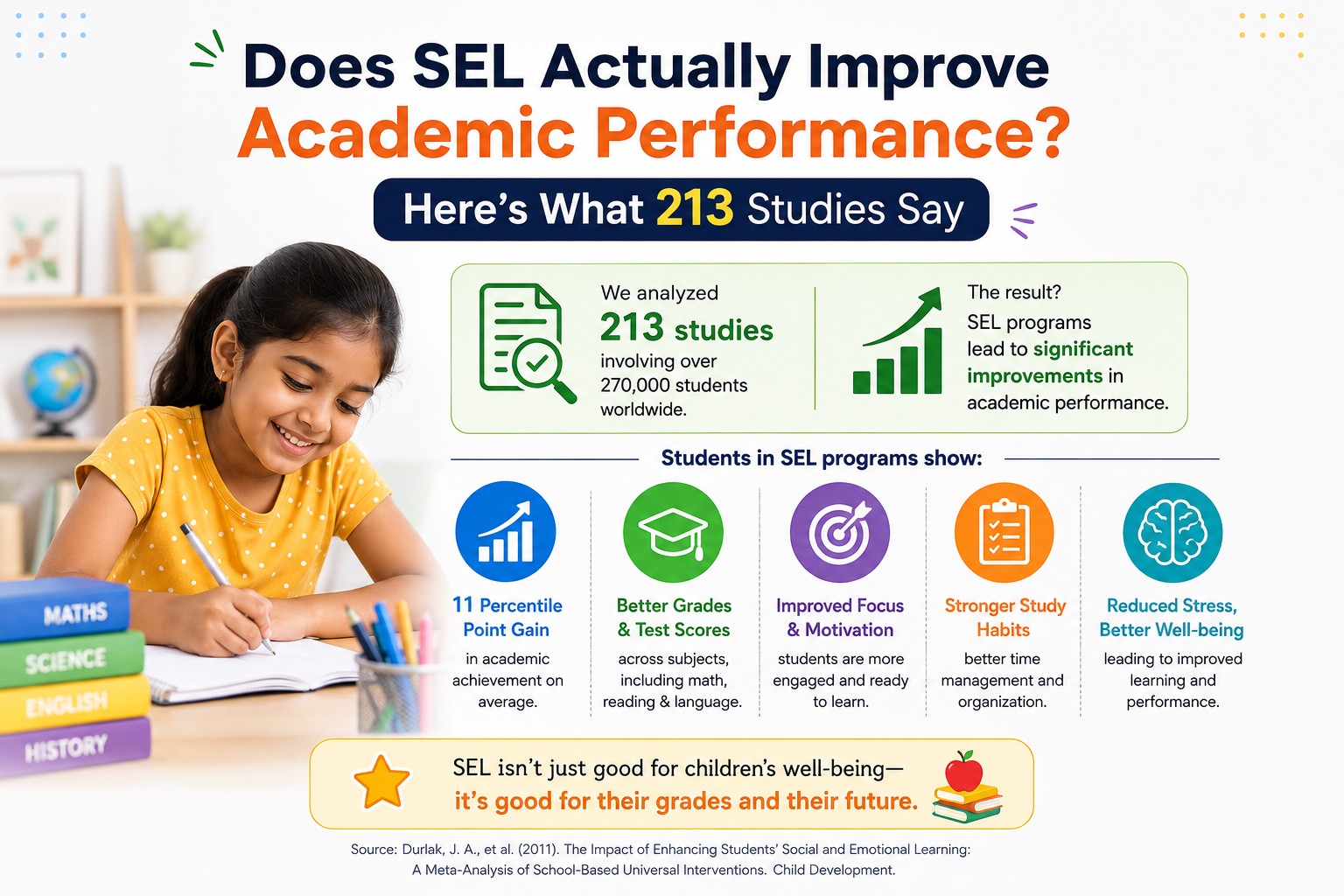
Does SEL Actually Improve Academic Performance? Here's What 213 Studies Say SEL
Does SEL Actually Improve Academic Performance? Here's What 213 Studies Say

Skeptical parents and school principals tend to ask the exact same question: "Doesn't SEL just take time away from studies?"The research doesn't just say no. It says the opposite. Students in quality SEL programmes have outperformed control groups by an average of 11 percentile points in academic achievement. Here's the evidence — stripped of jargon, and made actionable.The Durlak Meta-Analysis: W...

Read more →
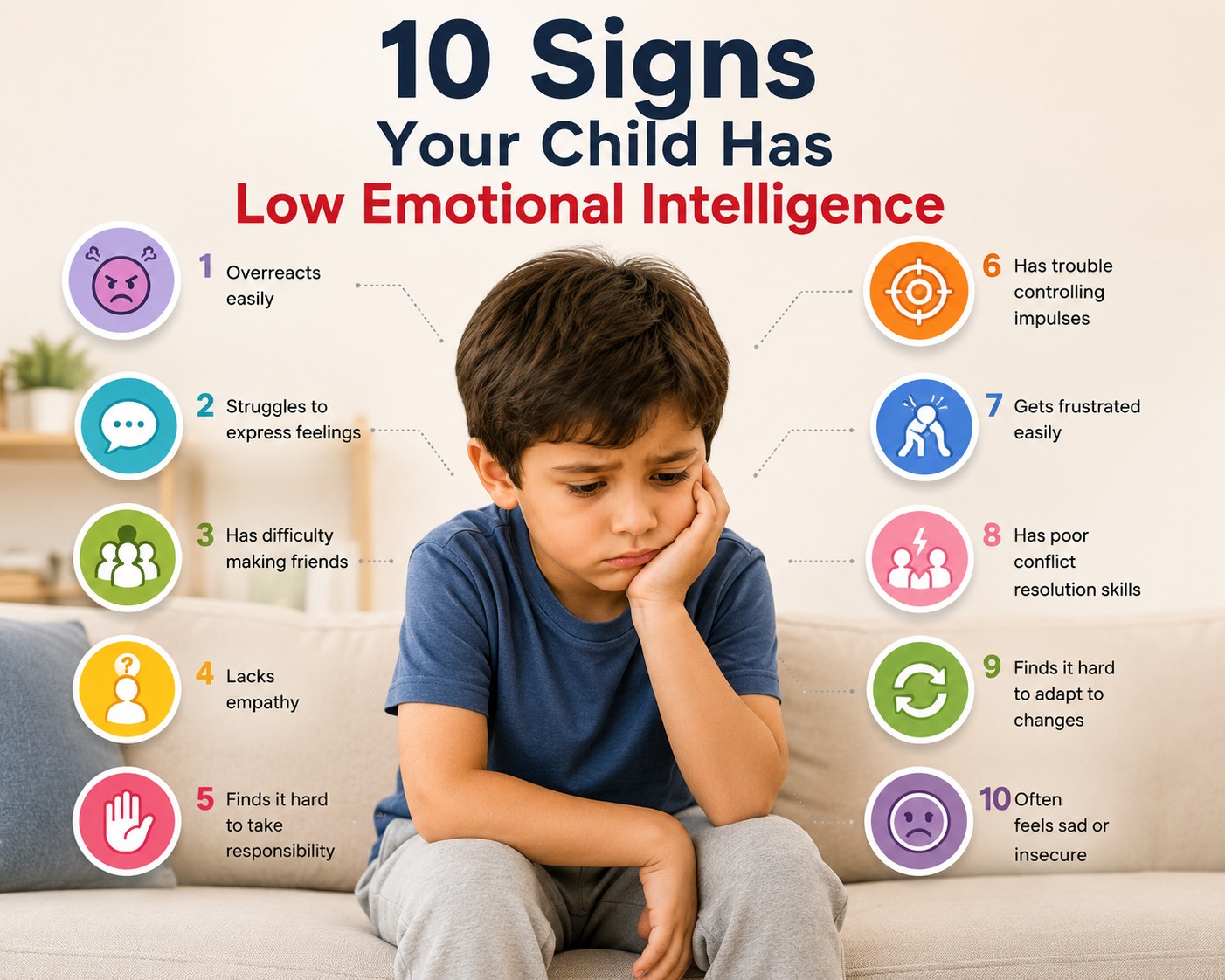
10 Signs Your Child Has Low Emotional Intelligence (And What To Do About It) SEL
10 Signs Your Child Has Low Emotional Intelligence (And What To Do About It)

Most parents notice the moment their child falls behind in maths or reading. Report cards make sure of that.Emotional intelligence gaps are different. They go undetected for years — quietly limiting friendships, eroding confidence, and setting the stage for struggles well into adulthood. No report card flags this one.Here are 10 specific signs to watch for, and an evidence-based step for each. One...

Read more →
How to Raise an Emotionally Intelligent Child: A Science-Backed Roadmap for Indian Parents SEL
How to Raise an Emotionally Intelligent Child: A Science-Backed Roadmap for Indian Parents

Here's the imbalance worth sitting with: Indian education systems invest thousands of hours building a child's IQ, and roughly zero building their EQ.That's a strange bet to make, given what the research actually shows. Daniel Goleman's work on emotional intelligence — the research that put the term on the map in 1995 — found something specific: once two people are already equally qualified for a ...

Read more →
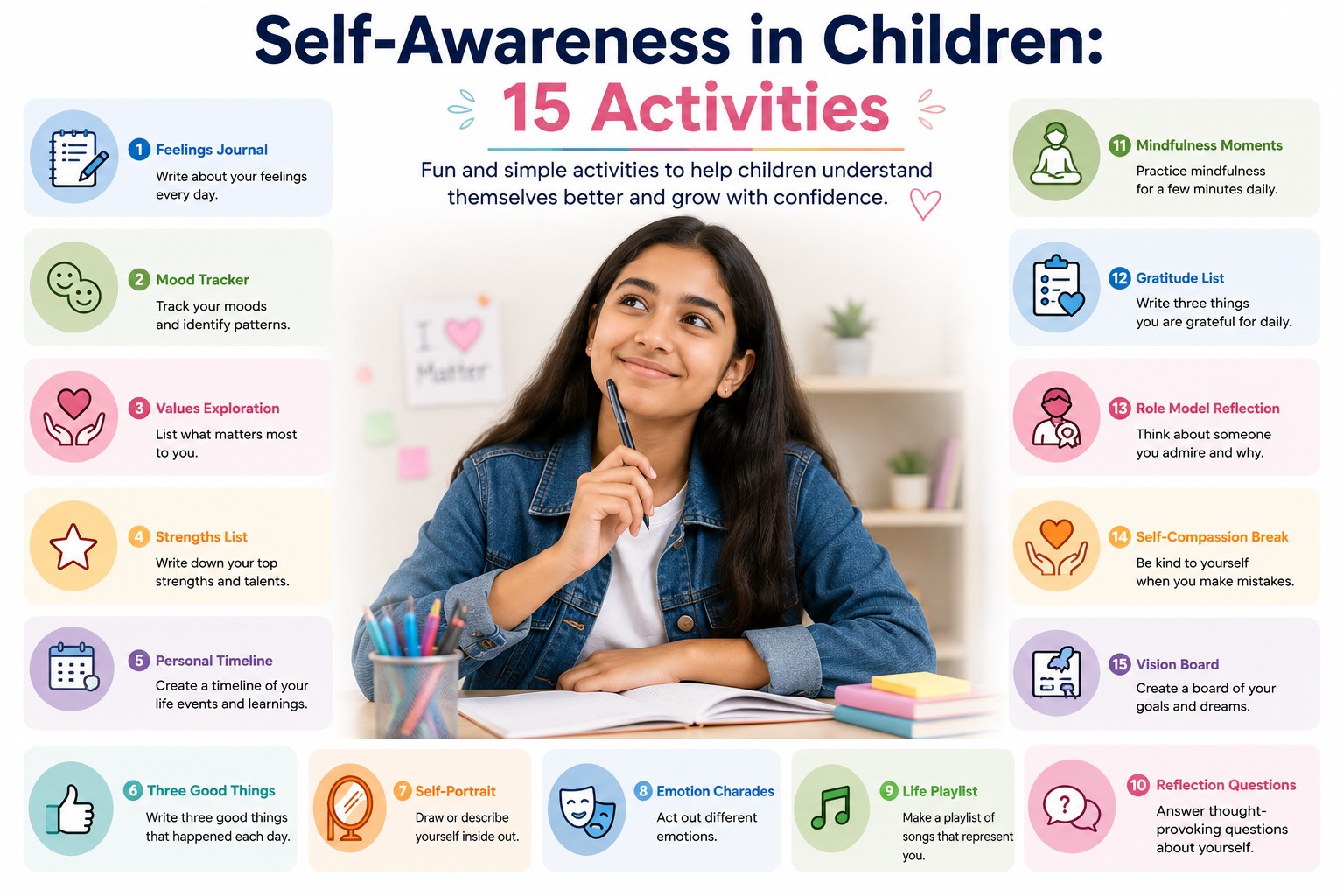
Self-Awareness in Children: 15 Activities That Actually Work (Age 6–16) SEL
Self-Awareness in Children: 15 Activities That Actually Work (Age 6–16)

Here's the pitch for why this competency deserves your attention before any other: a child who genuinely knows their own strengths, triggers, values, and feelings never fully loses themselves to peer pressure, comparison, or the need for external validation.Self-awareness is the inner compass. Every other emotional skill — regulation, empathy, decision-making — is calibrated against it. Get this o...

Read more →
Teaching Kids to Manage Anger: The Complete Parent's Playbook SEL
Teaching Kids to Manage Anger: The Complete Parent's Playbook

Here's the reframe that changes everything downstream: anger is not the problem. Not knowing what to do with anger is.Most kids run into anger-triggering moments multiple times across a normal school day — a lost game, an unfair rule, a sibling who won't share, a teacher's correction that stings more than intended. Without tools, those moments turn into conflicts, punishments, and shame. With tool...

Read more →
What Is Empathy and How Do You Teach It to Children? SEL
What Is Empathy and How Do You Teach It to Children?

What Is Empathy and How Do You Teach It to Children?Here's the belief worth dismantling first: empathy is not something a child is simply born with or without. It's a learnable skill — much closer to reading or arithmetic than to eye colour.Dr. Helen Riess, a Harvard Medical School psychiatrist who directs the Empathy and Relational Science Program at Massachusetts General Hospital, built her enti...

Read more →
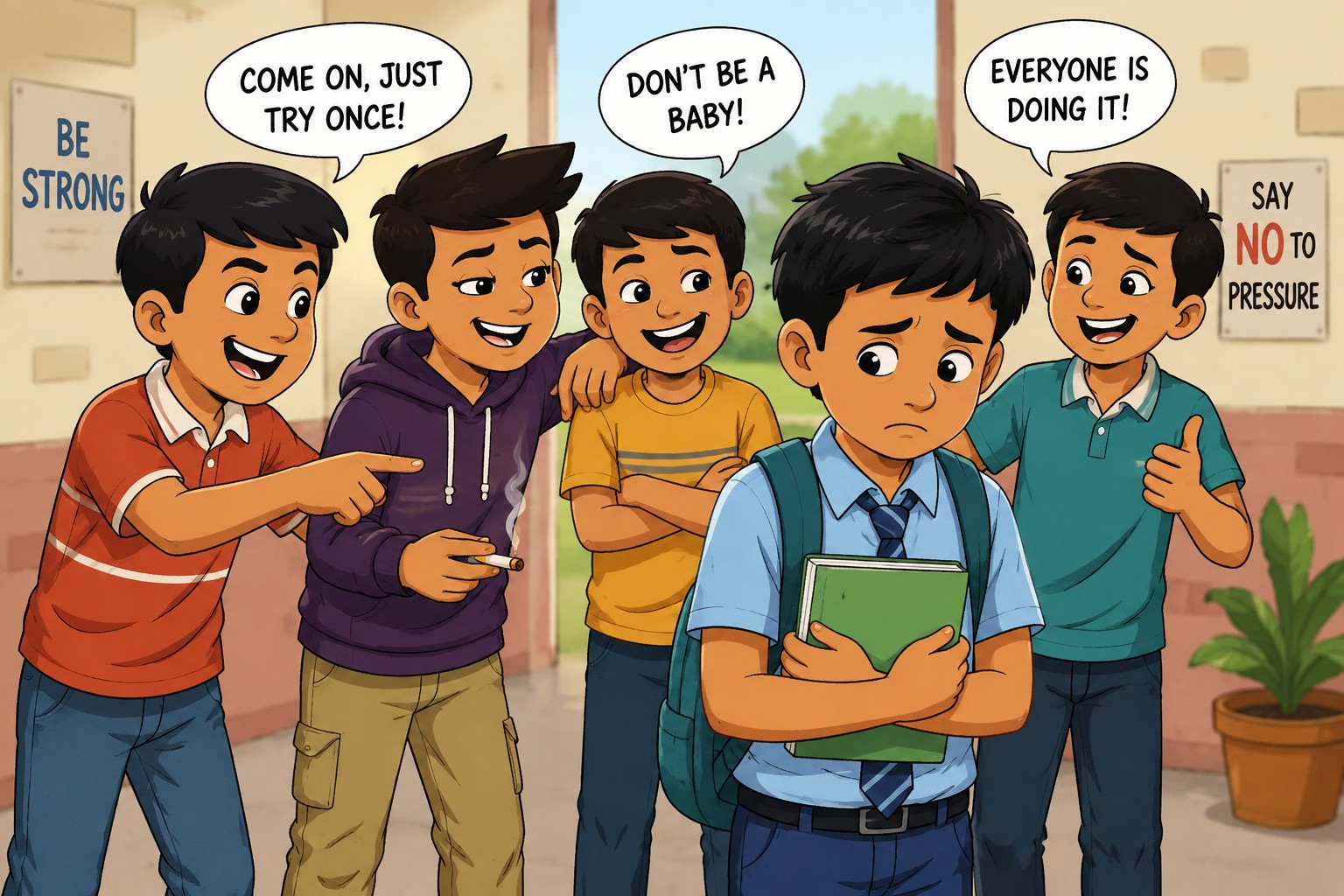
Peer Pressure and Your Teenager: What SEL Research Says (And What Actually Helps) SEL
Peer Pressure and Your Teenager: What SEL Research Says (And What Actually Helps)

Here's the reframe every parent of a teenager needs: your teen isn't weak for caving to peer pressure. Their brain is, quite literally, wired to prioritise peer approval above almost everything else — including your authority in the moment.A 2011 fMRI study out of Temple University (Chein, Albert, O'Brien, Uckert, and Steinberg, published in Developmental Science) found something striking: the mer...

Read more →
Morning Routines That Build Emotional Intelligence in Children (15-Minute Blueprint) SEL
Morning Routines That Build Emotional Intelligence in Children (15-Minute Blueprint)

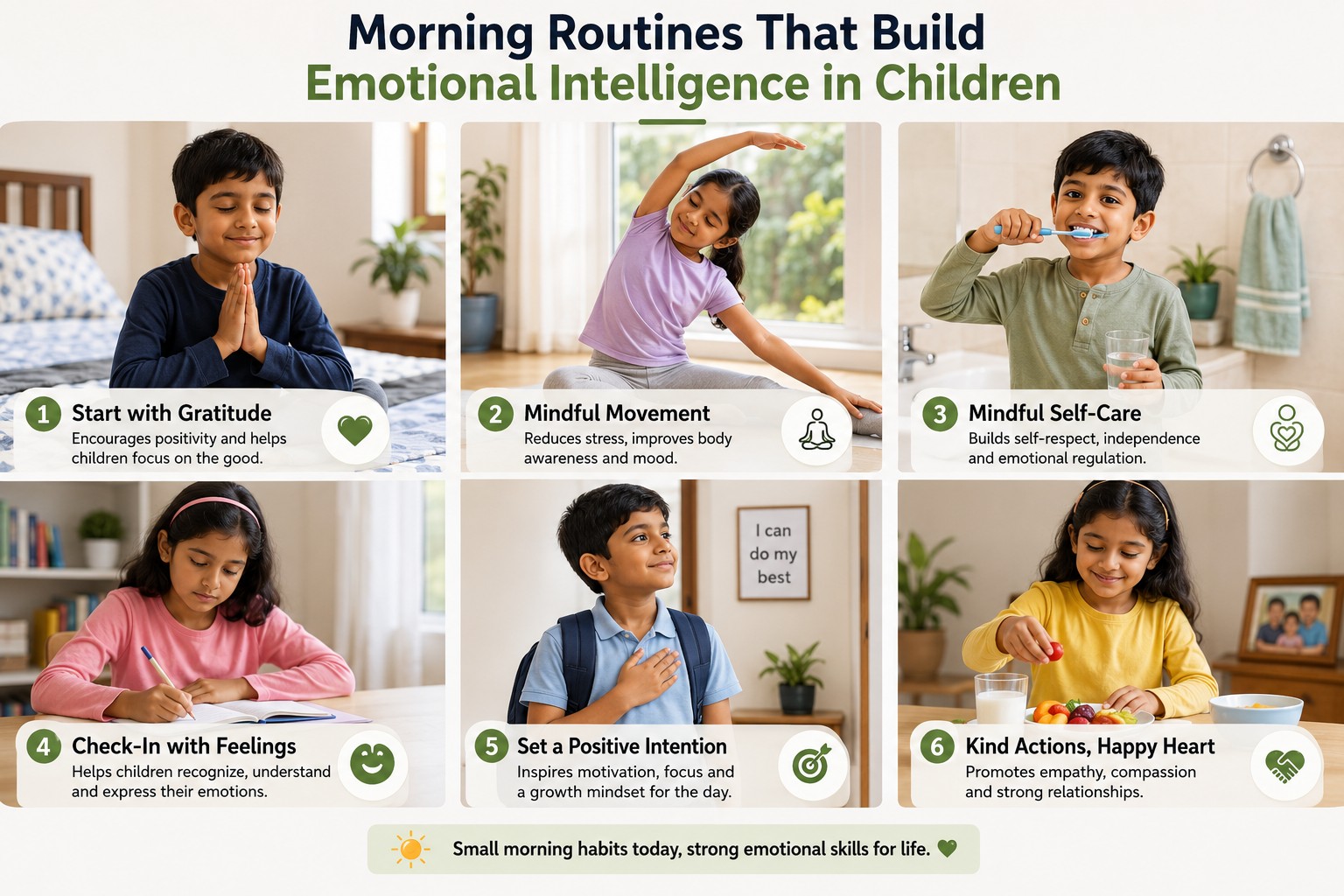
Here's a pattern most parents recognize but rarely name: the first fifteen minutes of your child's day quietly set the emotional tone for the next eight hours.A rushed, chaotic, phone-scrolling morning sends a child into school already dysregulated — before a single class has started. A calm, connected fifteen minutes does the opposite: it gives your child's nervous system a stable starting point ...

Read more →
Social Emotional Learning vs Traditional Education: Why India Needs Both Right Now SEL
Social Emotional Learning vs Traditional Education: Why India Needs Both Right Now

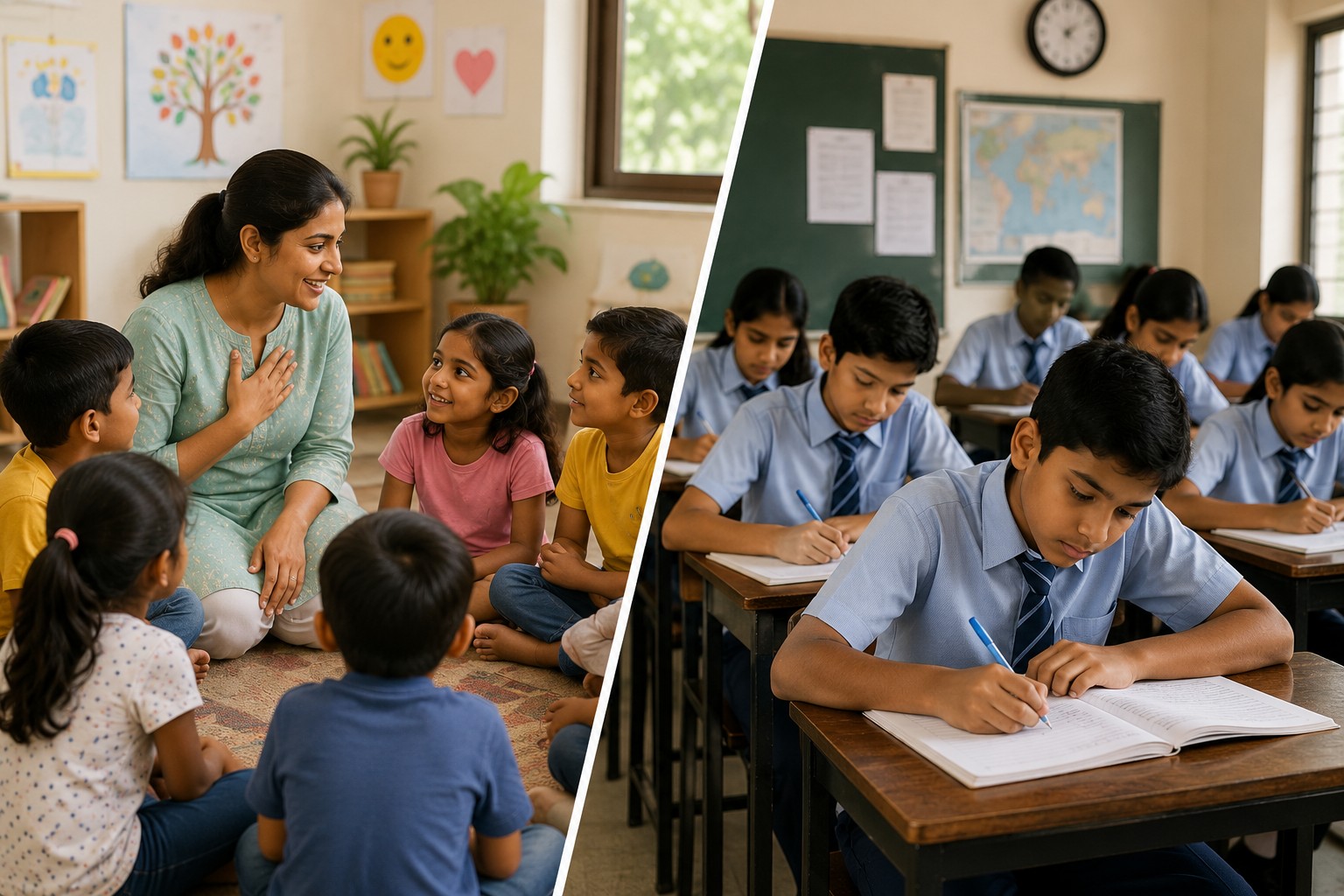
Here's a false choice that's quietly shaping how Indian schools spend every hour of the school day: the idea that academics and emotional development are competing for the same limited time, and that a school investing in one is necessarily sacrificing the other.It's a compelling story. It's also not what the evidence shows.The Traditional Model: What It Gets Right, and Where It Runs OutIndia's tr...

Read more →
Building Resilience in Children: 12 Evidence-Based Strategies for Parents and Teachers SEL
Building Resilience in Children: 12 Evidence-Based Strategies for Parents and Teachers

Here's the misunderstanding worth clearing up first: resilience is not toughness. It's not about a child who never cries, never struggles, never falls apart. Resilience researcher Dr. Ann Masten, whose decades of work on the subject remain foundational to the field, calls it "ordinary magic" — not a rare trait some children are born with, but an entirely normal outcome of everyday protective facto...

Read more →
How to Have Emotional Conversations With Your Child (Without Shutting Them Down) SEL
How to Have Emotional Conversations With Your Child (Without Shutting Them Down)

Here's a pattern most parents can recognize instantly: you ask your child how they're feeling, and you get a shrug, an "I don't know," or silence. Not because nothing's going on — because something about how the question landed made it easier to say nothing at all.The good news is that this is almost entirely fixable, and it has very little to do with how much your child trusts you in general. It ...

Read more →
SEL for Teenagers: Why Adolescence Is the Most Critical Window (And How to Not Miss It) SEL
SEL for Teenagers: Why Adolescence Is the Most Critical Window (And How to Not Miss It)

Here's a genuinely strange pattern in how schools currently allocate social-emotional learning: it's often richest in early elementary grades, and then quietly fades out right around the exact age when the adolescent brain is most primed to absorb it.That's not a minor scheduling inefficiency. It's arguably the single biggest missed opportunity in how SEL gets implemented worldwide — including in ...

Read more →
What Is a Growth Mindset — And Why Every Indian Child Desperately Needs One SEL
What Is a Growth Mindset — And Why Every Indian Child Desperately Needs One

Here's a phrase you've probably seen on a classroom poster, stripped of everything that made it actually useful: "growth mindset." Somewhere between the research and the wall art, it turned into a slogan. Here's what it actually means — and why it matters more urgently in India than almost anywhere else.What Growth Mindset Actually Is (Not the Poster Version)Psychologist Carol Dweck's decades of r...

Read more →
Friendship Skills for Children: How to Help Your Child Make and Keep Real Friends SEL
Friendship Skills for Children: How to Help Your Child Make and Keep Real Friends

Here's a distinction most parents never make explicitly, even though it changes everything about how to help: making a friend and keeping a friend are two completely different skill sets. A child can be genuinely good at one and still struggle badly with the other — which is exactly why "just be friendly" as generic advice so often misses the actual problem.Let's break down both skill sets separat...

Read more →
Mindfulness for Children: The Science, the Skepticism, and What Actually Works SEL
Mindfulness for Children: The Science, the Skepticism, and What Actually Works

Here's a claim you won't see on most mindfulness marketing: the largest study ever conducted on school-based mindfulness training found that it didn't work — at least not the way it was being delivered.That's not an anti-mindfulness talking point. It's a real, high-quality finding from one of the best-designed studies in the field, and it deserves an honest hearing rather than being quietly ignore...

Read more →
How Teachers Can Build Emotionally Safe Classrooms: A Practical Handbook SEL
How Teachers Can Build Emotionally Safe Classrooms: A Practical Handbook

Here's a distinction most classroom management advice never quite makes: a well-behaved classroom and an emotionally safe one are not the same thing. A class can be quiet, compliant, and orderly while every student in it is too afraid of judgment to raise their hand, admit confusion, or say a genuine word about how they're actually doing.Organizational researcher Amy Edmondson's work on psychologi...

Read more →
Screen Time and Emotional Intelligence: What Research Says (And What to Do About It) SEL
Screen Time and Emotional Intelligence: What Research Says (And What to Do About It)

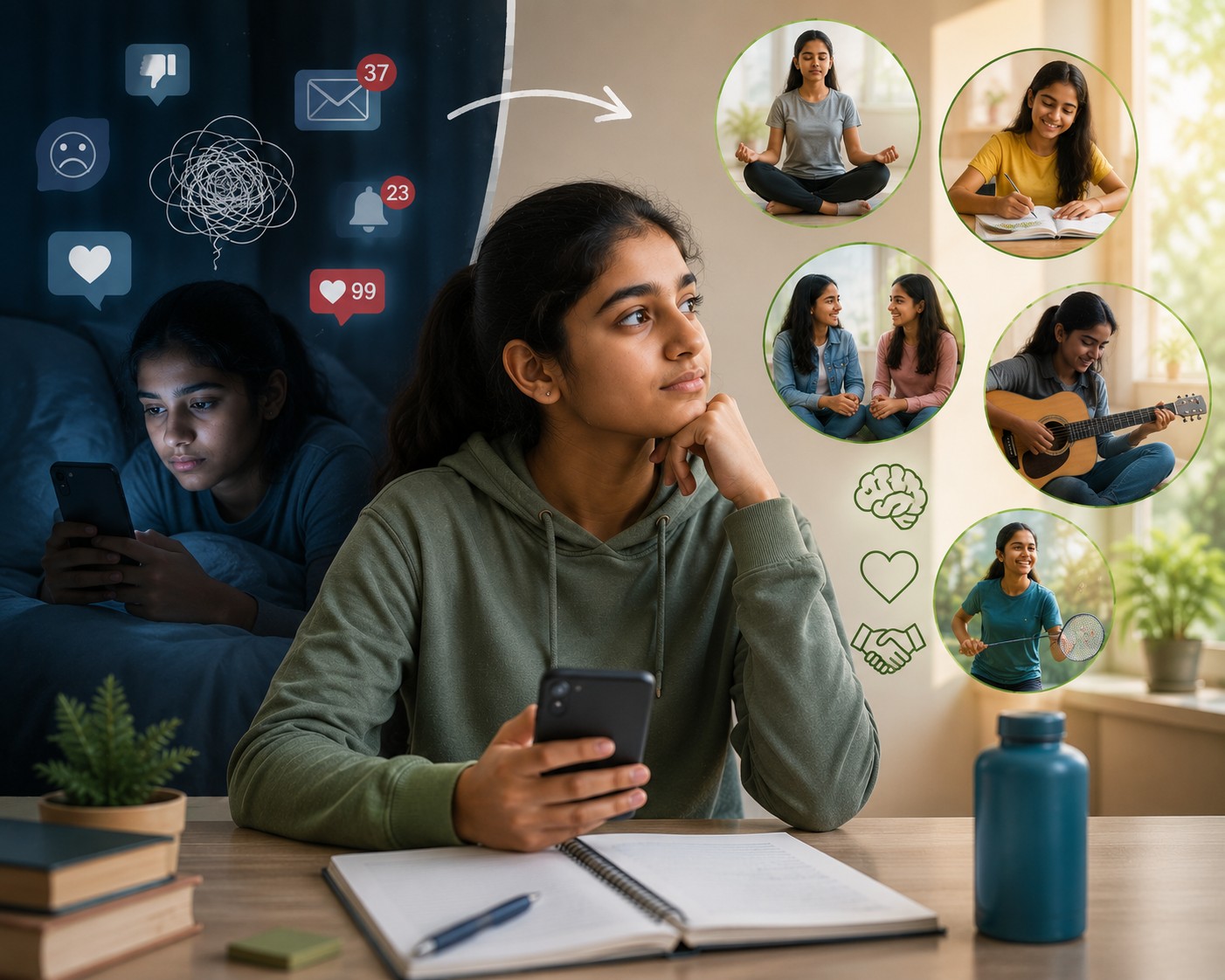
Here's the question almost every parenting article about screens asks: "How much screen time is too much for my child?"Here's the question the research suggests is actually more important, and almost nobody asks it: "How much am I on my phone while I'm supposed to be with my child?"Both matter. But one has a much stronger, more consistent evidence base than the other — and it's not the one most pa...

Read more →
What Happens to Children Who Don't Learn SEL Skills: The Long-Term Evidence SEL
What Happens to Children Who Don't Learn SEL Skills: The Long-Term Evidence

Most SEL research answers a version of the same question: what happens when you teach kids these skills? There's a different, harder question worth asking directly: what happens to the kids who never get taught them at all — not next year, but twenty years from now?One study answered that question about as rigorously as social science ever manages to. Here's what it found.The 19-Year Study That Tr...

Read more →
Responsible Decision-Making: Teaching Children to Think Before They Act SEL
Responsible Decision-Making: Teaching Children to Think Before They Act

Here's a phrase every parent has said at least once: "Think before you act!" — usually shouted after the acting has already happened. It's not bad advice. It's just advice delivered at the exact moment it's least useful, to a child who was never actually taught how to think before acting in the first place.Responsible decision-making — one of CASEL's five core SEL competencies — is a specific, tea...

Read more →
How to Use Storytelling to Teach Emotional Intelligence to Kids SEL
How to Use Storytelling to Teach Emotional Intelligence to Kids

Here's why a story can teach a child something a direct conversation often can't: a story creates distance. A child who won't talk about their own fear will happily discuss why a character in a book was scared. That distance isn't avoidance — it's exactly what makes the lesson land, because the child isn't defending themselves. They're just thinking about someone else's problem, which happens to l...

Read more →
The Link Between Physical Activity and Emotional Health in Children: What Parents Must Know SEL
The Link Between Physical Activity and Emotional Health in Children: What Parents Must Know

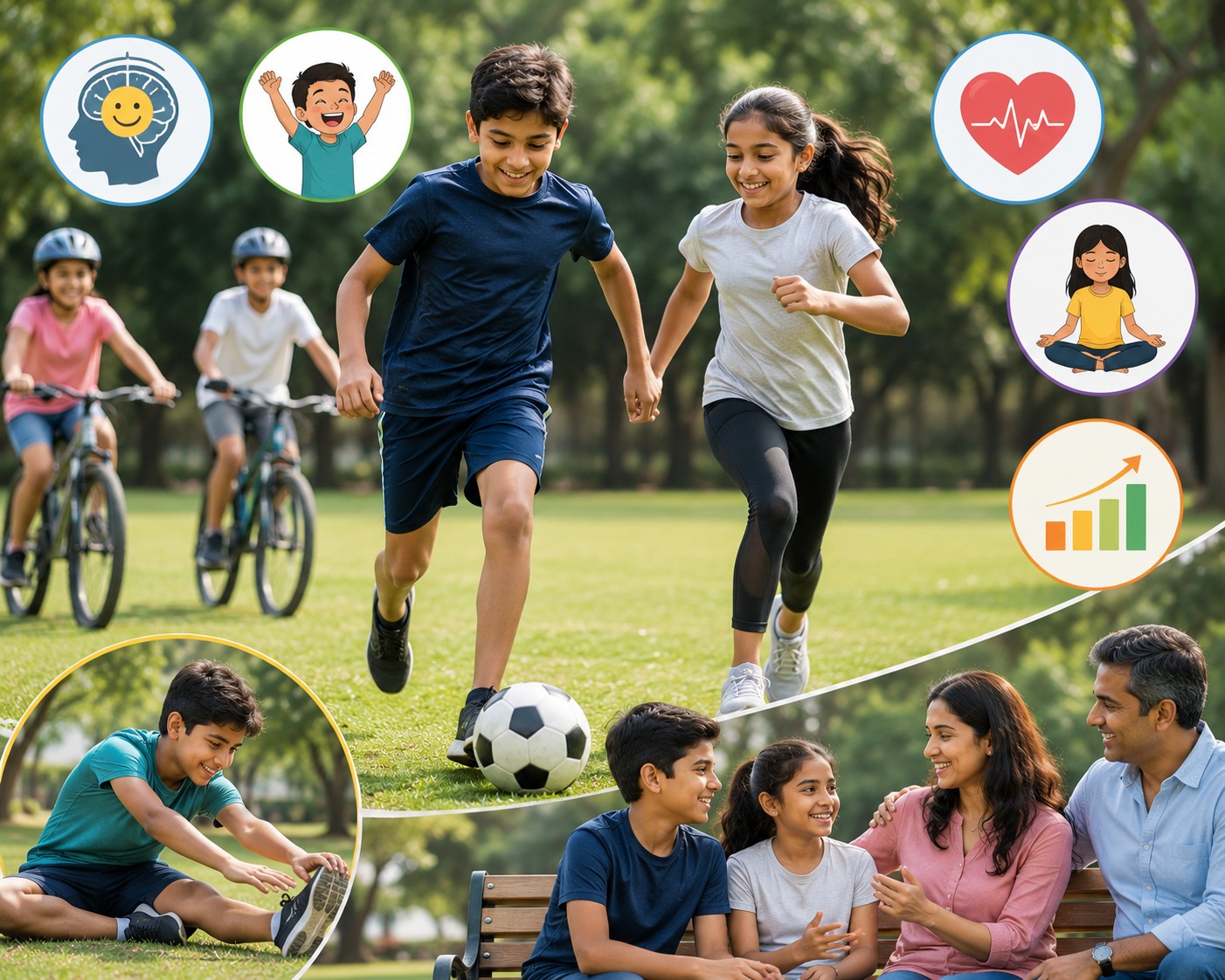
Here's a question worth asking honestly: if a single, free, widely available intervention measurably improved a child's mood, focus, and stress resilience, would you make time for it every day? That intervention already exists, most families already have access to it, and it's chronically under-prioritized compared to almost everything else on a child's schedule: plain, regular physical activity.H...

Read more →
How Schools Can Implement SEL Without Disrupting the Academic Calendar SEL
How Schools Can Implement SEL Without Disrupting the Academic Calendar

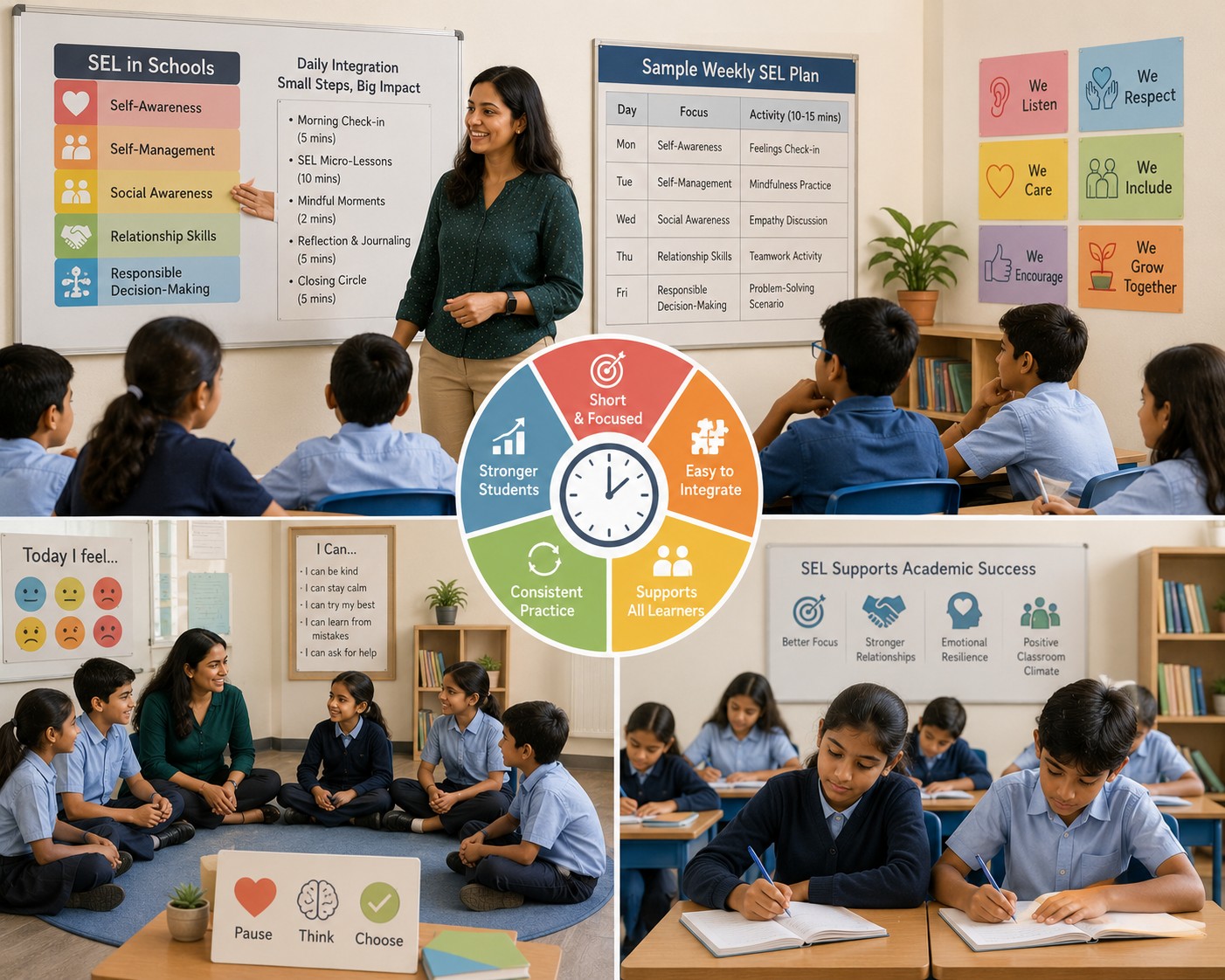
Here's the objection that kills more SEL initiatives before they even start: "We don't have room in the timetable." It's a reasonable concern from any principal juggling board requirements, exam prep, and an already-packed academic calendar. It's also based on a false assumption — that SEL requires a new, standalone period competing for the same finite hours as everything else.It doesn't have to. ...

Read more →
Teaching Children About Emotions: An Age-by-Age Guide from 3 to 16 SEL
Teaching Children About Emotions: An Age-by-Age Guide from 3 to 16

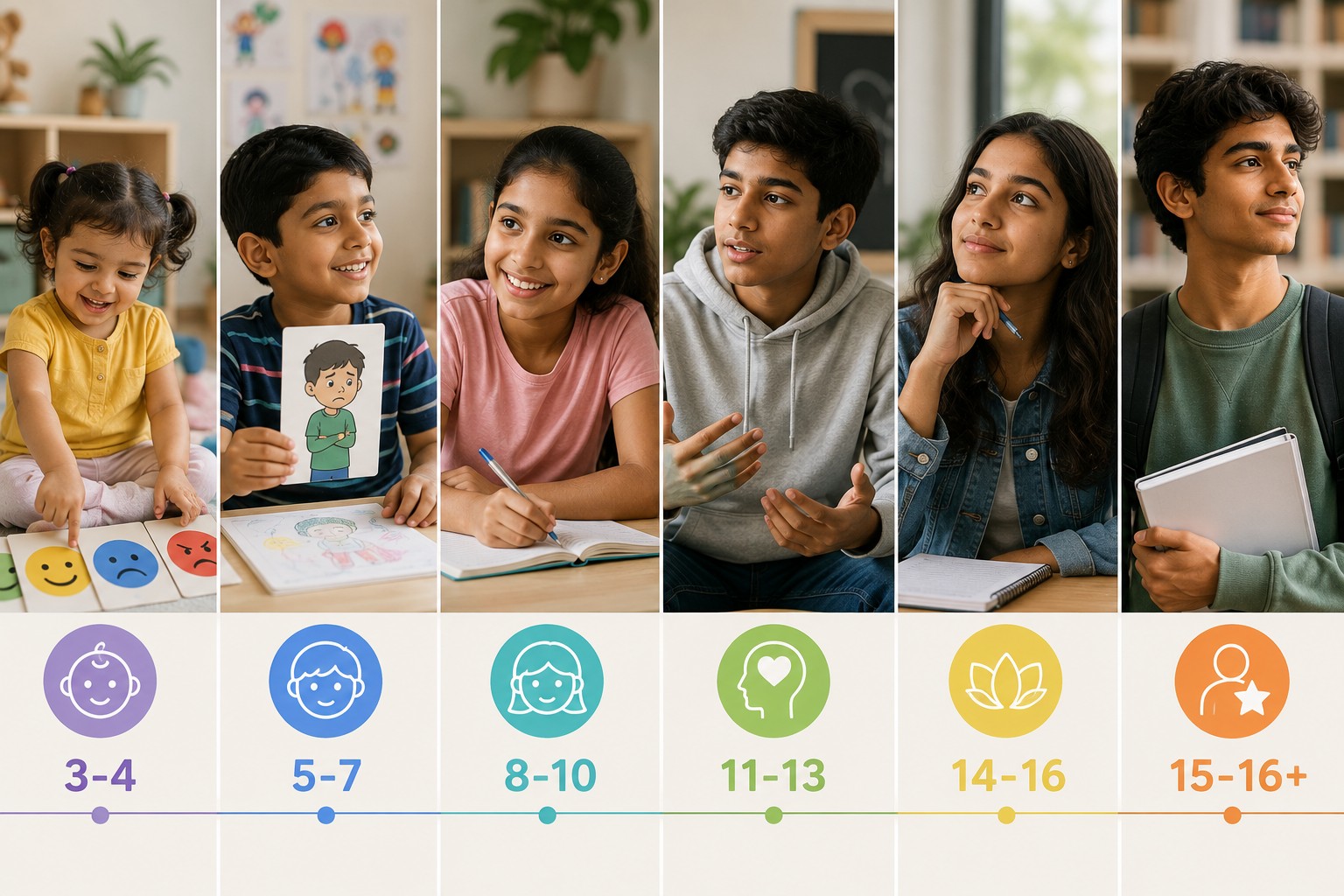
Here's a mistake that quietly undermines a lot of well-intentioned emotional coaching: expecting a child to understand something their brain genuinely isn't developmentally ready for yet. Asking a four-year-old to hold two conflicting feelings at once, or expecting a nine-year-old to grasp identity-linked emotional nuance a teenager is only just beginning to access — these aren't failures of teach...

Read more →
How to Handle a Highly Sensitive Child: What Parents Get Wrong SEL
How to Handle a Highly Sensitive Child: What Parents Get Wrong

Here's a sentence a lot of parents of a certain kind of child hear far too often: "They just need to toughen up." It's usually said with good intentions. It's also, according to real developmental research, exactly the wrong read on what's actually happening.Psychologist Elaine Aron's decades of research identified a genuine, biologically-rooted personality trait called Sensory Processing Sensitiv...

Read more →
Gratitude Practices for Children: Why and How to Start Today SEL
Gratitude Practices for Children: Why and How to Start Today

Here's the version of gratitude most kids get taught: say thank you, it's polite. True, but genuinely undersells what the research has actually found. Gratitude, studied properly, isn't etiquette. It's one of the more reliably effective tools in positive psychology for a child's actual wellbeing — and the research behind it is more specific and more surprising than "be thankful for what you have."...

Read more →
Bullying and SEL: How Emotional Skills Protect Children (From Both Sides) SEL
Bullying and SEL: How Emotional Skills Protect Children (From Both Sides)

Most anti-bullying efforts focus on exactly two people: the child being bullied, and the child doing the bullying. Decades of research suggest that's precisely the wrong place to concentrate most of the effort.A large body of evidence, including a comprehensive 2019 meta-analysis covering 100 separate anti-bullying programs, found that interventions targeting only the bully and the victim directly...

Read more →
How to Raise Children Who Can Handle Failure (The SEL Way) SEL
How to Raise Children Who Can Handle Failure (The SEL Way)

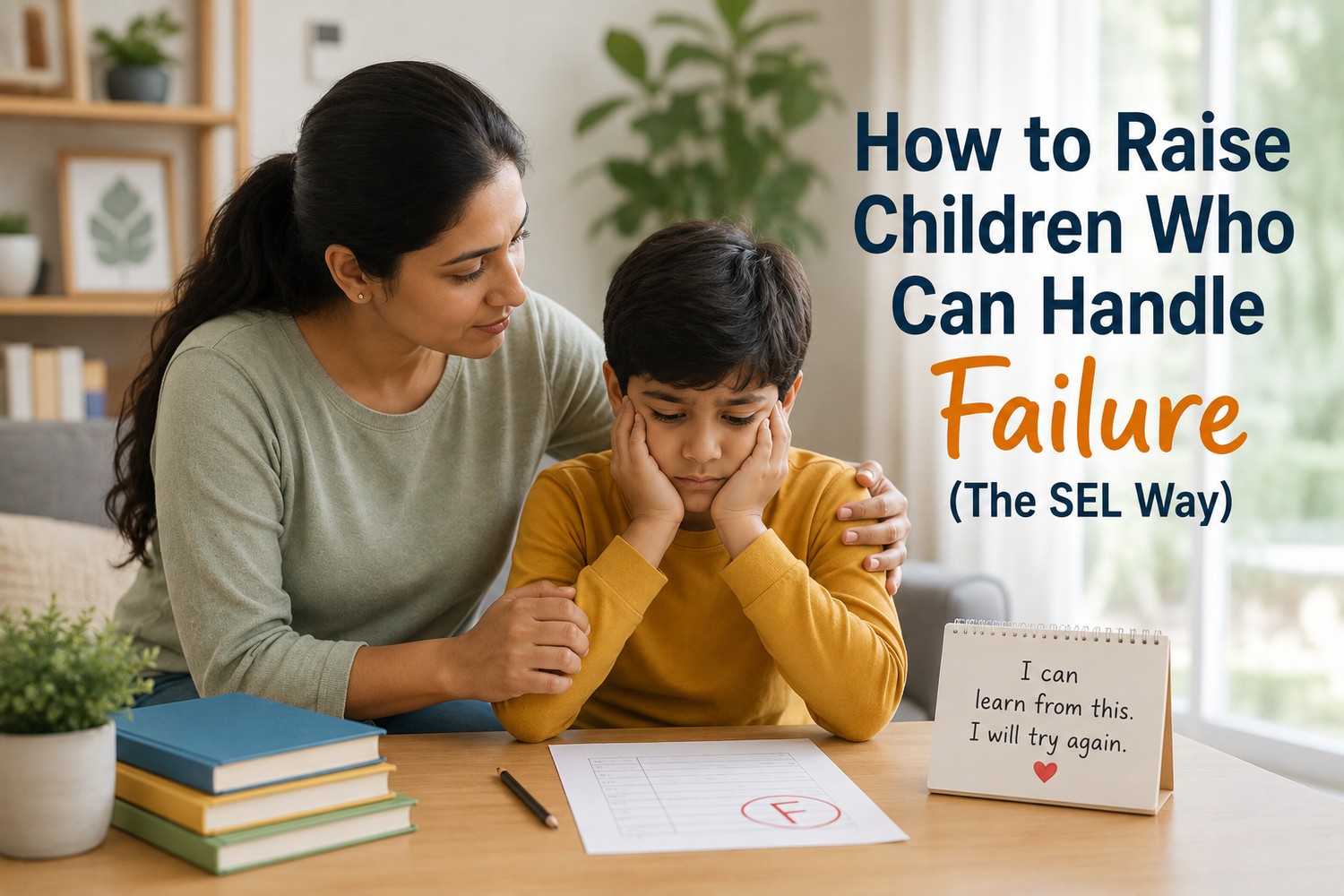
A child fails a test. One version of that child spirals into "I'm just bad at this," avoids the subject for weeks, and starts quietly negotiating their way out of anything that risks failing again. Another child, handed the identical bad grade, feels the sting for an afternoon and then asks what to try differently next time. Same event. Genuinely different outcome — and the difference has almost n...

Read more →
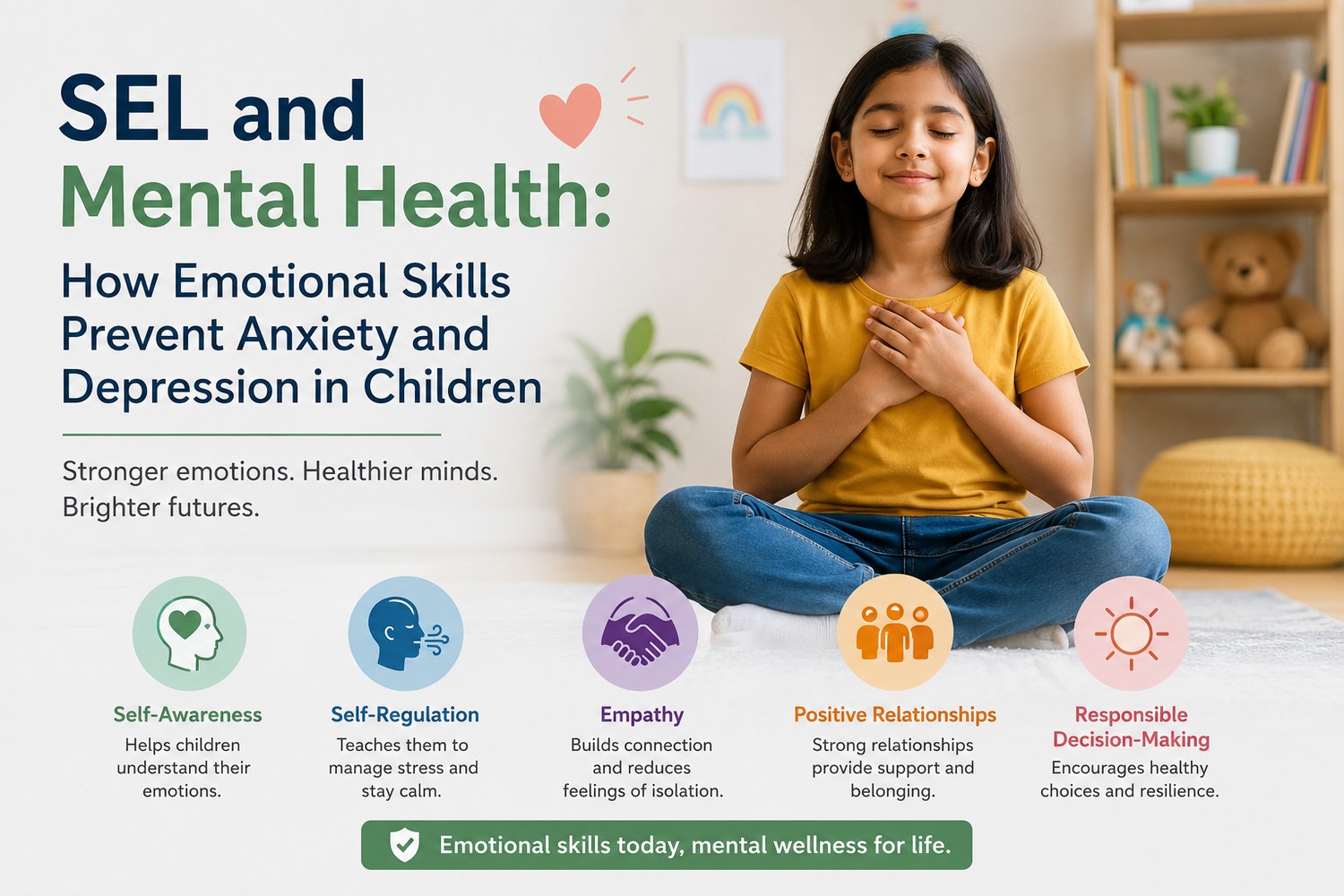
SEL and Mental Health: How Emotional Skills Prevent Anxiety and Depression in Children SEL
SEL and Mental Health: How Emotional Skills Prevent Anxiety and Depression in Children

Clinical psychology has a specific, somewhat technical term worth knowing: transdiagnostic risk factor — something that raises risk across multiple, seemingly different mental health conditions rather than just one. Poor emotion regulation is one of the field's most consistently identified transdiagnostic risk factors. It shows up as a contributing mechanism in anxiety, in depression, and in sever...

Read more →
How to Build a Strong Parent-Child Relationship Through Emotional Intelligence SEL
How to Build a Strong Parent-Child Relationship Through Emotional Intelligence

Relationship researcher John Gottman spent years observing couples in ordinary, unremarkable moments — a comment about a bird outside the window, a sigh from the next room, a quiet "listen to this." Six years later, he followed up. Couples who were still happily together had responded to these small, easy-to-miss moments roughly 86% of the time. Couples who had divorced had responded roughly 33% o...

Read more →
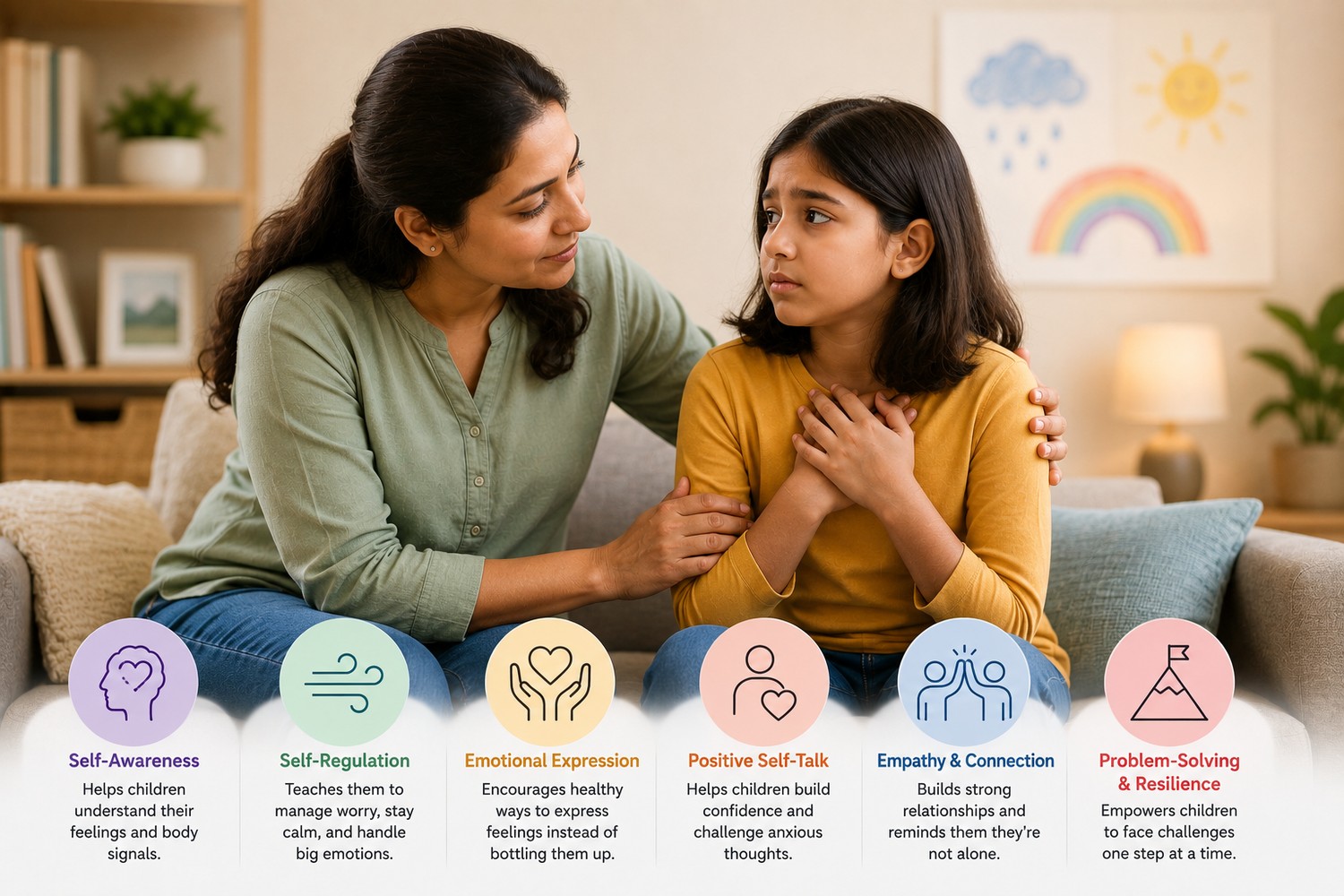
Helping Children with Anxiety: What Emotional Skills Make the Biggest Difference SEL
Helping Children with Anxiety: What Emotional Skills Make the Biggest Difference

A child refuses to sleep alone, so a parent stays in the room until they drift off. A child panics before a school presentation, so a parent calls the teacher to arrange an exemption. A child won't order their own food at a restaurant, so a parent quietly does it for them, every time, without a second thought.Every one of these responses comes from real love. Yale Child Study Center researcher Eli...

Read more →
How to Integrate SEL into Every Subject: A Teacher's Practical Guide SEL
How to Integrate SEL into Every Subject: A Teacher's Practical Guide

Most teachers assume SEL belongs to homeroom, advisory period, or a dedicated wellness slot — and that their own subject, whatever it is, doesn't naturally have room for it. That assumption is worth challenging directly, because it's not really true. Every subject already has the raw material SEL needs. What's usually missing isn't time — it's a specific technique for using content that's already ...

Read more →
How Indian Festivals and Traditions Teach Social Emotional Skills (Without You Realising It) SEL
How Indian Festivals and Traditions Teach Social Emotional Skills (Without You Realising It)

Ask a parent whether their child has had SEL instruction this month, and most would say no — no class, no worksheet, no formal lesson. Ask the same parent whether their family lit diyas together, shared sweets with neighbours, or fasted through Ramadan this month, and the answer is often yes. Those aren't two separate categories of experience. The second one is frequently doing the work of the fir...

Read more →
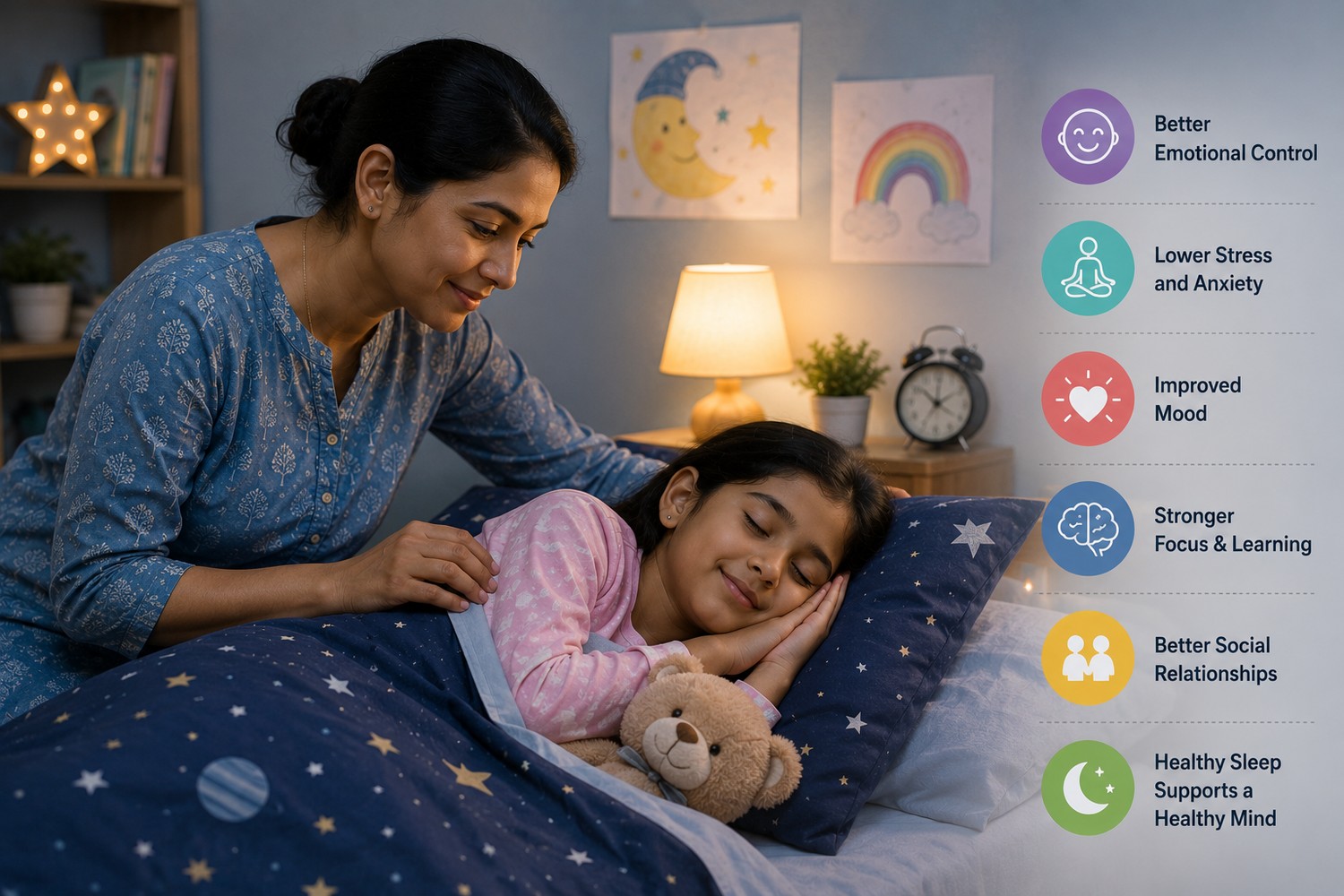
The Role of Sleep in Children's Emotional Regulation: What Every Parent Needs to Know SEL
The Role of Sleep in Children's Emotional Regulation: What Every Parent Needs to Know

A team of neuroscientists at Harvard and UC Berkeley put people in an fMRI scanner and showed them emotionally distressing images — once after a normal night's sleep, once after being kept awake all night. The well-rested brain showed a measured, appropriately proportioned response. The sleep-deprived brain showed something more dramatic: the amygdala — the brain's alarm system — lit up roughly 60...

Read more →
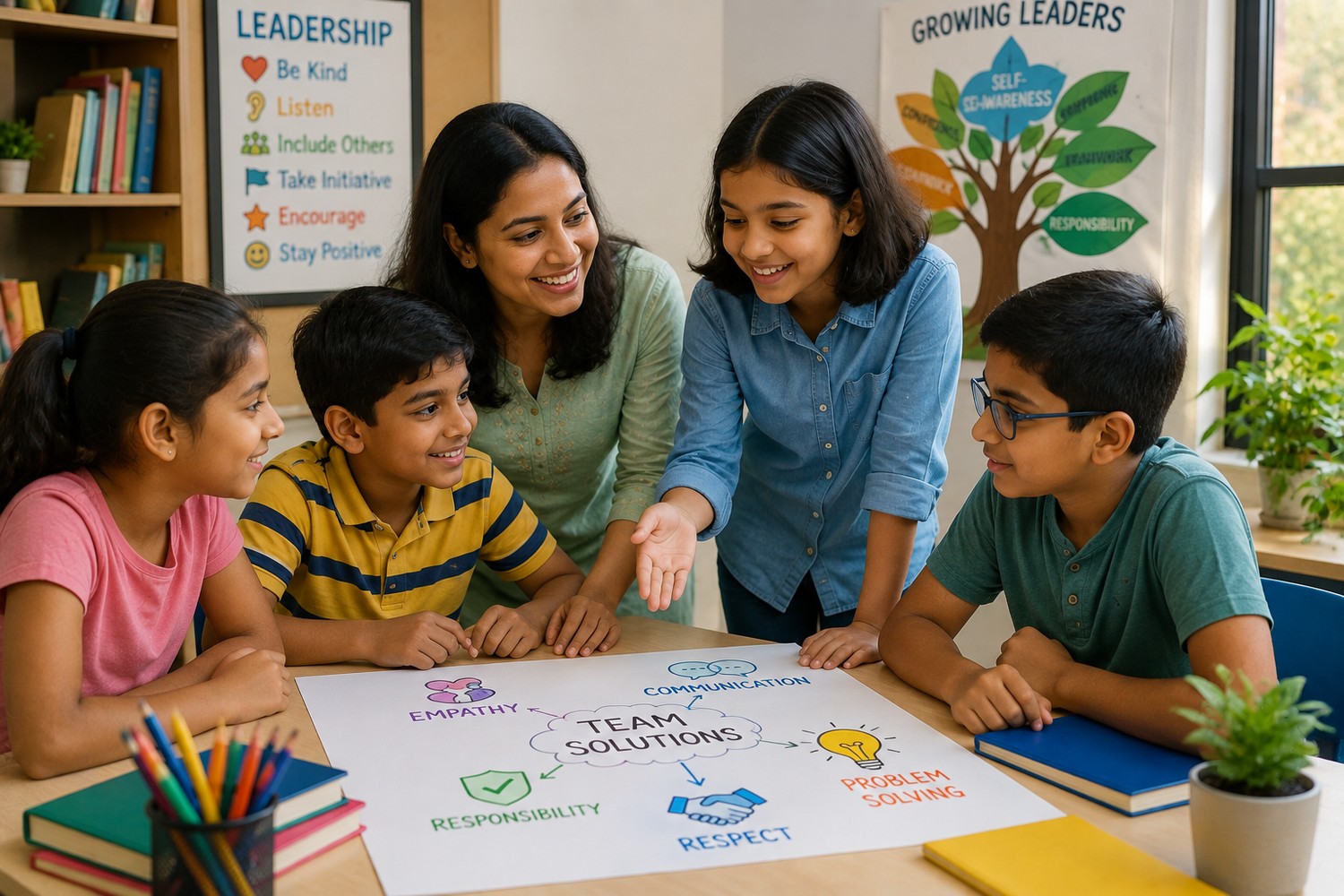
Building Leadership Skills in Children Through SEL: A Guide for Parents and Schools SEL
Building Leadership Skills in Children Through SEL: A Guide for Parents and Schools

Most parents picture the same image when they hear "raise a leader": a confident, talkative child who naturally takes charge in a group. Daniel Goleman's research into what actually distinguishes effective leaders — conducted with co-authors Richard Boyatzis and Annie McKee, drawing on data from thousands of executives — found something that quietly undermines that image: the leadership skill that...

Read more →
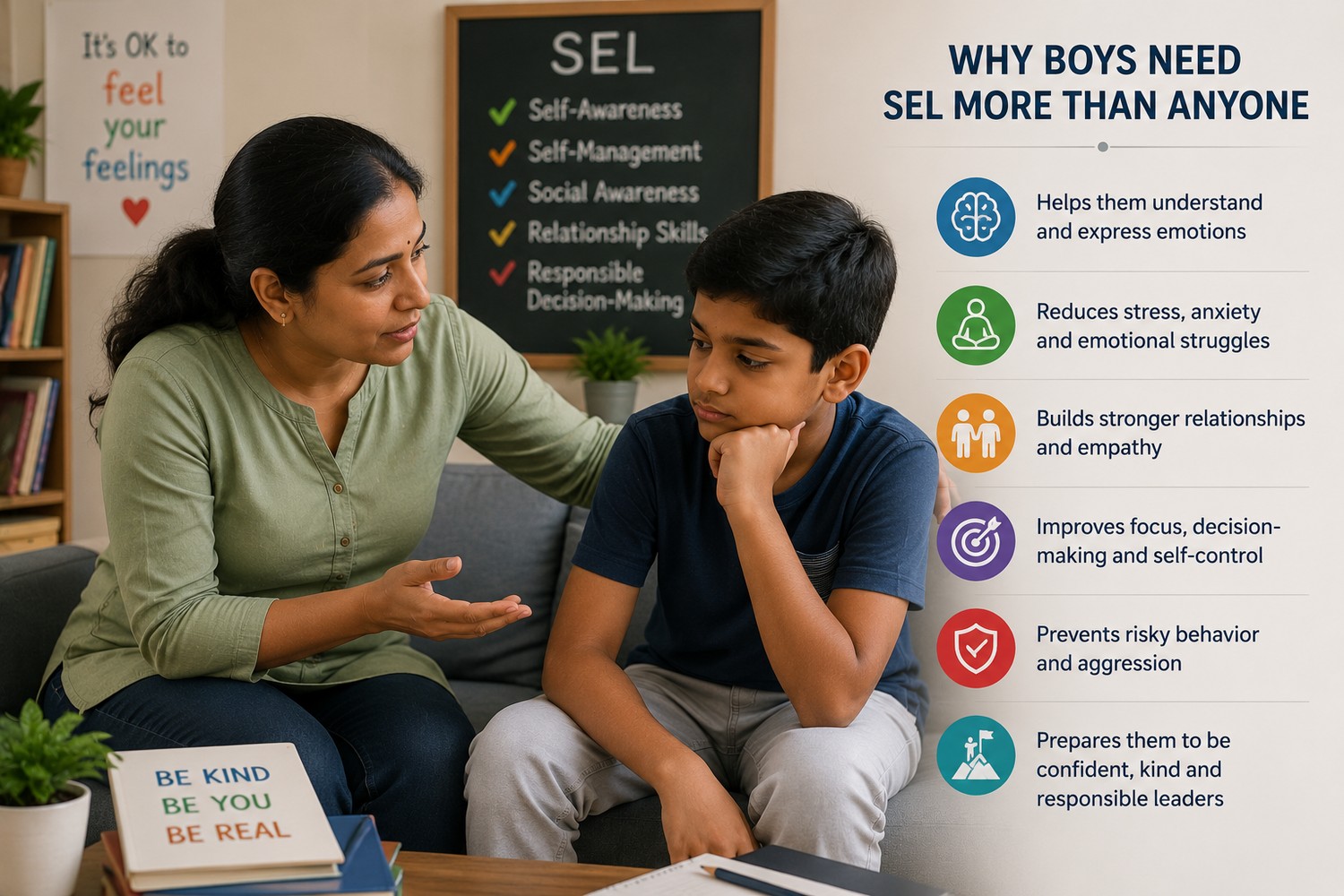
Why Boys Need SEL More Than Anyone (And Why We Are Failing Them) SEL
Why Boys Need SEL More Than Anyone (And Why We Are Failing Them)

Here's a finding that should reframe the entire conversation about boys and emotion: research on infant emotional expressiveness has found that baby boys are, if anything, more emotionally expressive than baby girls — more reactive, more visibly responsive. The common assumption that boys are simply "naturally" less emotional gets the story backwards from the start.What actually happens is documen...

Read more →
How to Help Your Child Deal with Rejection and Disappointment SEL
How to Help Your Child Deal with Rejection and Disappointment

Your child doesn't get picked for the team. Isn't invited to the party everyone's talking about. Gets turned down by a friend they asked to hang out with. As a parent, the instinct is often to minimize it — "it's not a big deal," "there'll be other chances." Here's why that instinct, however well-meant, tends to miss what's actually happening: rejection isn't a minor inconvenience your child's bra...

Read more →
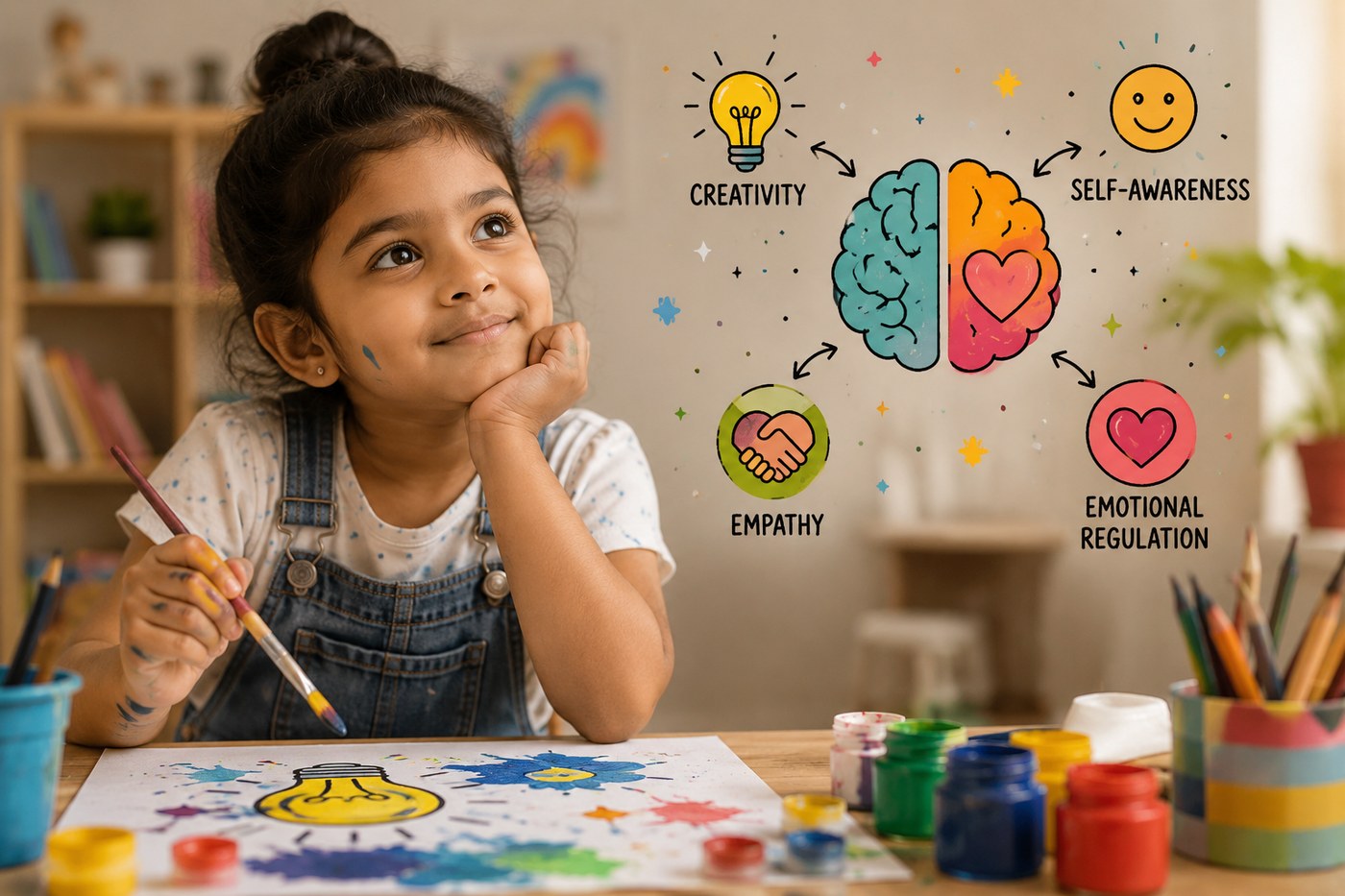
The Connection Between Creativity and Emotional Intelligence in Children SEL
The Connection Between Creativity and Emotional Intelligence in Children

Watch a five-year-old deep in a game of pretend — running a make-believe restaurant, caring for a sick stuffed animal, launching an imaginary spaceship — and it looks, on the surface, like pure entertainment. Developmental psychologist Lev Vygotsky argued something considerably more interesting was happening underneath: pretend play may be where a child's capacity for self-regulation first develop...

Read more →
What Corporate Recruiters Say About Why Indian Graduates Fail (And How SEL Fixes It) SEL
What Corporate Recruiters Say About Why Indian Graduates Fail (And How SEL Fixes It)

Here's a number worth sitting with: according to Mercer-Mettl's India Graduate Skill Index 2025, only 42.6% of Indian graduates were considered employable in 2024 — a figure that actually declined from 44.3% the year before, even as India continues producing one of the largest graduate pipelines in the world. The India Skills Report 2026, a separate nationwide assessment prepared by ETS, CII, AICT...

Read more →
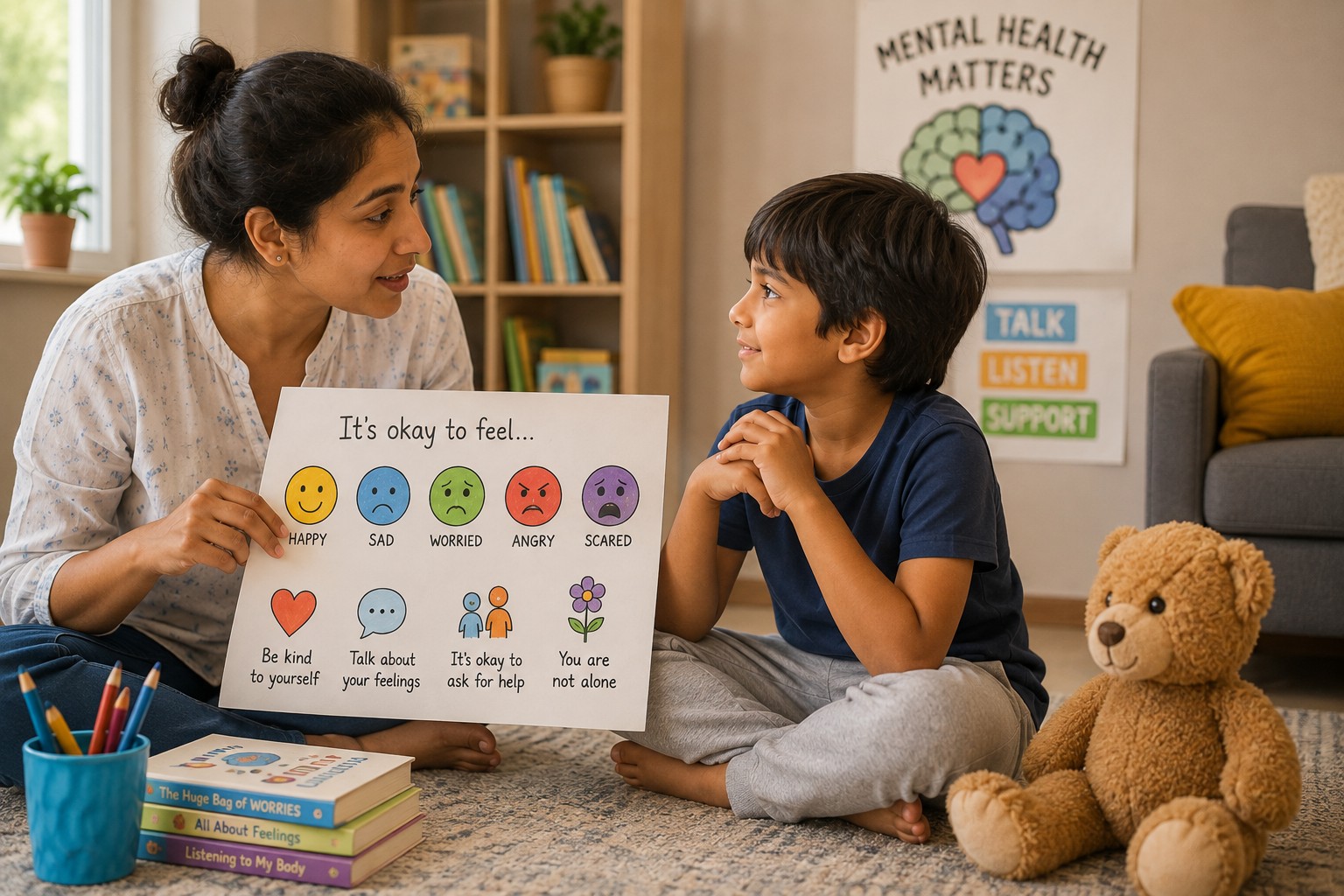
How to Teach Children About Mental Health Without Stigma SEL
How to Teach Children About Mental Health Without Stigma

In the mid-1990s, Australian researcher Anthony Jorm ran a national survey asking adults to identify what was going on in short descriptions of people experiencing depression or schizophrenia. The results were striking: only a fraction correctly recognized the conditions being described, and many believed unproven remedies — vitamins, special diets — were more helpful than actual evidence-based tr...

Read more →
SEL at Home vs SEL at School: How to Make Them Work Together SEL
SEL at Home vs SEL at School: How to Make Them Work Together

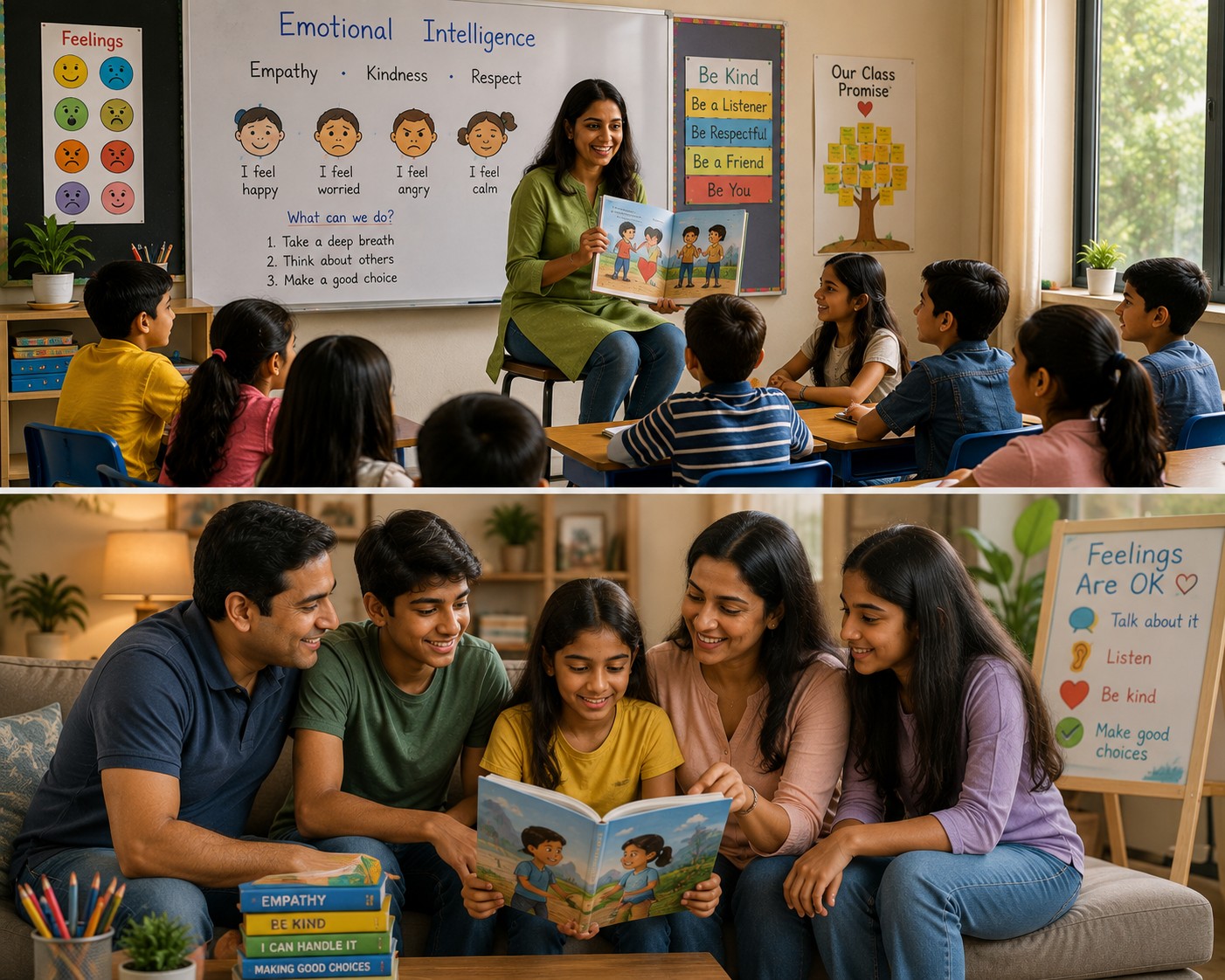
Developmental psychologist Urie Bronfenbrenner's influential ecological systems theory made an argument that's easy to state and genuinely underused in practice: a child's development doesn't just depend on what happens at home and what happens at school, treated as two separate boxes. It depends heavily on the connection between them. Bronfenbrenner called this connective layer the mesosystem — n...

Read more →
How to Raise Children Who Take Responsibility for Their Actions SEL
How to Raise Children Who Take Responsibility for Their Actions

A child breaks something and immediately says "it wasn't my fault, it just fell." Another child, faced with the identical situation, says "I knocked it over, I should've been more careful." Psychologist Julian Rotter's foundational research on locus of control — first published in 1966 and cited in thousands of studies since — offers a specific, testable explanation for that difference: people var...

Read more →
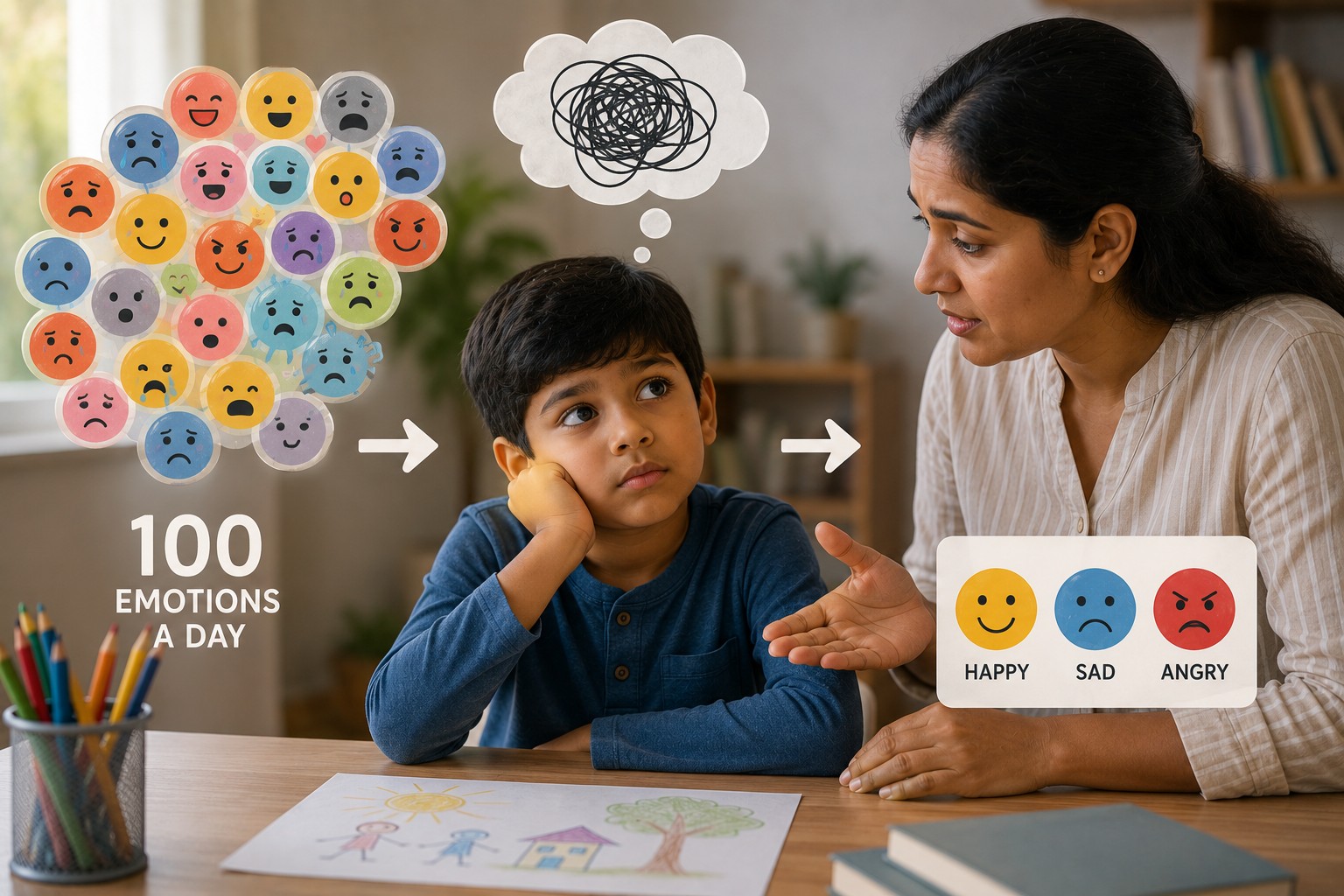
Your Child Feels 100 Emotions a Day — But Can Only Name 3. Here's Why That Matters.  Picture your child's actual internal experience across an ordinary day: the small flash of dread before a test, the flicker of pride after a good answer, the low hum of boredom during a long car ride, the sharp sting of being left out at lunch, the quiet relief of getting home. A child's nervous system moves through a genuinely large number of distinct emotional states across a single day — researchers studying moment-to-moment affect consistently find people cycle through far more emotional shifts than they'd ever report if you simply asked "how do you feel?" once.  Now compare that to the vocabulary most children actually have on hand to describe any of it: happy, sad, mad, and maybe "fine." That's the entire toolkit for translating a rich, constantly shifting internal world into words a parent or teacher can actually understand and respond to. The gap between what a child feels and what a child can say is enormous — and it's almost never talked about directly.  What the Research Actually Shows About This Gap  A large developmental study tracking emotion word comprehension in children aged 4 to 16 found something specific and useful: a child's emotional vocabulary roughly doubles every two years between ages 4 and 11, before the rate of growth levels off in adolescence. That's a genuinely fast trajectory — but it means a six-year-old is still operating with a fraction of the vocabulary a well-supported eleven-year-old will eventually have, and a huge fraction of that growth depends on deliberate exposure, not automatic maturation alone.  Separate research on preschoolers found something equally important: the size of a young child's emotion-specific vocabulary directly predicts their actual ability to regulate their emotions — not just their ability to talk about feelings, but their real, observed capacity to manage anger, frustration, and distress in the moment. Vocabulary isn't a side effect of emotional development. It's one of the engines driving it.  Why This Gap Gets Misread as an Attitude Problem  Here's the part that matters most for parents day to day: a child who can't name what they're feeling doesn't stop having the feeling. They just express it the only way still available to them — through behaviour.  A child who's genuinely feeling excluded, embarrassed, or overwhelmed, but only has "mad" in their working vocabulary, will often present as defiant, sulky, or disruptive — because "mad" is the closest available label, and the behaviour that follows tends to match whatever word the child actually reached for internally, not the more precise feeling underneath it. Parents and teachers, seeing only the behaviour, frequently read this as an attitude problem or a discipline issue — when the underlying issue is closer to a translation failure: the feeling existed, but the words to communicate it accurately simply weren't there yet.  This reframe changes what the right response actually is. A child labeled as having "an attitude" gets consequences aimed at the behaviour. A child understood as having a vocabulary gap gets something entirely different: more words, offered patiently, in calm moments — which, per the regulation research above, is also the more effective long-term fix.  Why Guessing at This Gap Doesn't Work  Here's the honest challenge for any parent trying to address this: you can't easily see your own child's specific vocabulary gap from the outside. Two eight-year-olds can look identically frustrated on the surface while one has access to "disappointed, embarrassed, and anxious" as separate, usable concepts, and the other genuinely only has "mad" for all three. Without some way of actually checking, most parents are guessing — usually assuming their child's vocabulary is broader than it actually is, simply because the child seems verbally capable in every other context.  This is exactly the gap a structured assessment is built to surface — not a vague sense of "my child seems to talk about feelings okay," but an actual picture of which specific emotion words a child can reliably identify and use, measured against what's realistic for their age.  What to Do About It, Starting Today  Get an honest baseline, not a guess. Before assuming your child's vocabulary is where it should be, find a real way to check — a structured quiz or assessment gives you an actual number to work from, rather than an impression.  Introduce one new word at a time, in calm moments. The doubling-every-two-years trajectory the research describes isn't automatic — it happens fastest with deliberate exposure. Offering "disappointed" instead of accepting "mad" as the final word, repeated patiently over weeks, is what actually drives that growth curve.  Reframe "attitude" moments as possible vocabulary gaps first. Before reaching for a consequence, consider whether the behaviour in front of you might be the closest available expression of a feeling your child genuinely doesn't have a more precise word for yet.  Revisit the gap periodically, not just once. A vocabulary assessment isn't a one-time diagnosis — a child's emotional lexicon is supposed to be expanding constantly through these years, so checking in periodically shows you whether the growth is actually happening or has stalled.  What to Do This Week Take stock of your child's actual working vocabulary this week — notice, honestly, how many distinct feeling-words they reach for versus how often "mad," "sad," or "fine" cover everything. The next time a behaviour looks like "attitude," pause and ask whether it might be a vocabulary gap instead — and offer a more precise word as a genuine alternative, not a correction. Try a structured emotion vocabulary check, rather than relying on impression alone, to see exactly where your child's vocabulary sits against what's realistic for their age.  The gap between what your child feels and what your child can say was never a minor detail. It's very often the actual mechanism behind the "attitude" moments that frustrate parents most — and unlike a fixed personality trait, it's one of the most directly, quickly closeable gaps in a child's entire emotional development.  Happy Sprout Action: Want to know exactly where your child's emotional vocabulary actually stands? Take Happy Sprout's free Emotion Vocabulary Quiz at happysproutminds.com — get a clear picture of how many emotions your child can currently name against the age-appropriate benchmark, and register for a live Happy Sprout SEL class to start closing the gap with a trained facilitator.  Future Starts Within. SEL
Your Child Feels 100 Emotions a Day — But Can Only Name 3. Here's Why That Matters. Picture your child's actual internal experience across an ordinary day: the small flash of dread before a test, the flicker of pride after a good answer, the low hum of boredom during a long car ride, the sharp sting of being left out at lunch, the quiet relief of getting home. A child's nervous system moves through a genuinely large number of distinct emotional states across a single day — researchers studying moment-to-moment affect consistently find people cycle through far more emotional shifts than they'd ever report if you simply asked "how do you feel?" once. Now compare that to the vocabulary most children actually have on hand to describe any of it: happy, sad, mad, and maybe "fine." That's the entire toolkit for translating a rich, constantly shifting internal world into words a parent or teacher can actually understand and respond to. The gap between what a child feels and what a child can say is enormous — and it's almost never talked about directly. What the Research Actually Shows About This Gap A large developmental study tracking emotion word comprehension in children aged 4 to 16 found something specific and useful: a child's emotional vocabulary roughly doubles every two years between ages 4 and 11, before the rate of growth levels off in adolescence. That's a genuinely fast trajectory — but it means a six-year-old is still operating with a fraction of the vocabulary a well-supported eleven-year-old will eventually have, and a huge fraction of that growth depends on deliberate exposure, not automatic maturation alone. Separate research on preschoolers found something equally important: the size of a young child's emotion-specific vocabulary directly predicts their actual ability to regulate their emotions — not just their ability to talk about feelings, but their real, observed capacity to manage anger, frustration, and distress in the moment. Vocabulary isn't a side effect of emotional development. It's one of the engines driving it. Why This Gap Gets Misread as an Attitude Problem Here's the part that matters most for parents day to day: a child who can't name what they're feeling doesn't stop having the feeling. They just express it the only way still available to them — through behaviour. A child who's genuinely feeling excluded, embarrassed, or overwhelmed, but only has "mad" in their working vocabulary, will often present as defiant, sulky, or disruptive — because "mad" is the closest available label, and the behaviour that follows tends to match whatever word the child actually reached for internally, not the more precise feeling underneath it. Parents and teachers, seeing only the behaviour, frequently read this as an attitude problem or a discipline issue — when the underlying issue is closer to a translation failure: the feeling existed, but the words to communicate it accurately simply weren't there yet. This reframe changes what the right response actually is. A child labeled as having "an attitude" gets consequences aimed at the behaviour. A child understood as having a vocabulary gap gets something entirely different: more words, offered patiently, in calm moments — which, per the regulation research above, is also the more effective long-term fix. Why Guessing at This Gap Doesn't Work Here's the honest challenge for any parent trying to address this: you can't easily see your own child's specific vocabulary gap from the outside. Two eight-year-olds can look identically frustrated on the surface while one has access to "disappointed, embarrassed, and anxious" as separate, usable concepts, and the other genuinely only has "mad" for all three. Without some way of actually checking, most parents are guessing — usually assuming their child's vocabulary is broader than it actually is, simply because the child seems verbally capable in every other context. This is exactly the gap a structured assessment is built to surface — not a vague sense of "my child seems to talk about feelings okay," but an actual picture of which specific emotion words a child can reliably identify and use, measured against what's realistic for their age. What to Do About It, Starting Today Get an honest baseline, not a guess. Before assuming your child's vocabulary is where it should be, find a real way to check — a structured quiz or assessment gives you an actual number to work from, rather than an impression. Introduce one new word at a time, in calm moments. The doubling-every-two-years trajectory the research describes isn't automatic — it happens fastest with deliberate exposure. Offering "disappointed" instead of accepting "mad" as the final word, repeated patiently over weeks, is what actually drives that growth curve. Reframe "attitude" moments as possible vocabulary gaps first. Before reaching for a consequence, consider whether the behaviour in front of you might be the closest available expression of a feeling your child genuinely doesn't have a more precise word for yet. Revisit the gap periodically, not just once. A vocabulary assessment isn't a one-time diagnosis — a child's emotional lexicon is supposed to be expanding constantly through these years, so checking in periodically shows you whether the growth is actually happening or has stalled. What to Do This Week Take stock of your child's actual working vocabulary this week — notice, honestly, how many distinct feeling-words they reach for versus how often "mad," "sad," or "fine" cover everything. The next time a behaviour looks like "attitude," pause and ask whether it might be a vocabulary gap instead — and offer a more precise word as a genuine alternative, not a correction. Try a structured emotion vocabulary check, rather than relying on impression alone, to see exactly where your child's vocabulary sits against what's realistic for their age. The gap between what your child feels and what your child can say was never a minor detail. It's very often the actual mechanism behind the "attitude" moments that frustrate parents most — and unlike a fixed personality trait, it's one of the most directly, quickly closeable gaps in a child's entire emotional development. Happy Sprout Action: Want to know exactly where your child's emotional vocabulary actually stands? Take Happy Sprout's free Emotion Vocabulary Quiz at happysproutminds.com — get a clear picture of how many emotions your child can currently name against the age-appropriate benchmark, and register for a live Happy Sprout SEL class to start closing the gap with a trained facilitator. Future Starts Within.

Picture your child's actual internal experience across an ordinary day: the small flash of dread before a test, the flicker of pride after a good answer, the low hum of boredom during a long car ride, the sharp sting of being left out at lunch, the quiet relief of getting home. A child's nervous system moves through a genuinely large number of distinct emotional states across a single day — resear...

Read more →
The 'I'm Fine' Generation: Why So Many Children Have Forgotten How to Feel SEL
The 'I'm Fine' Generation: Why So Many Children Have Forgotten How to Feel

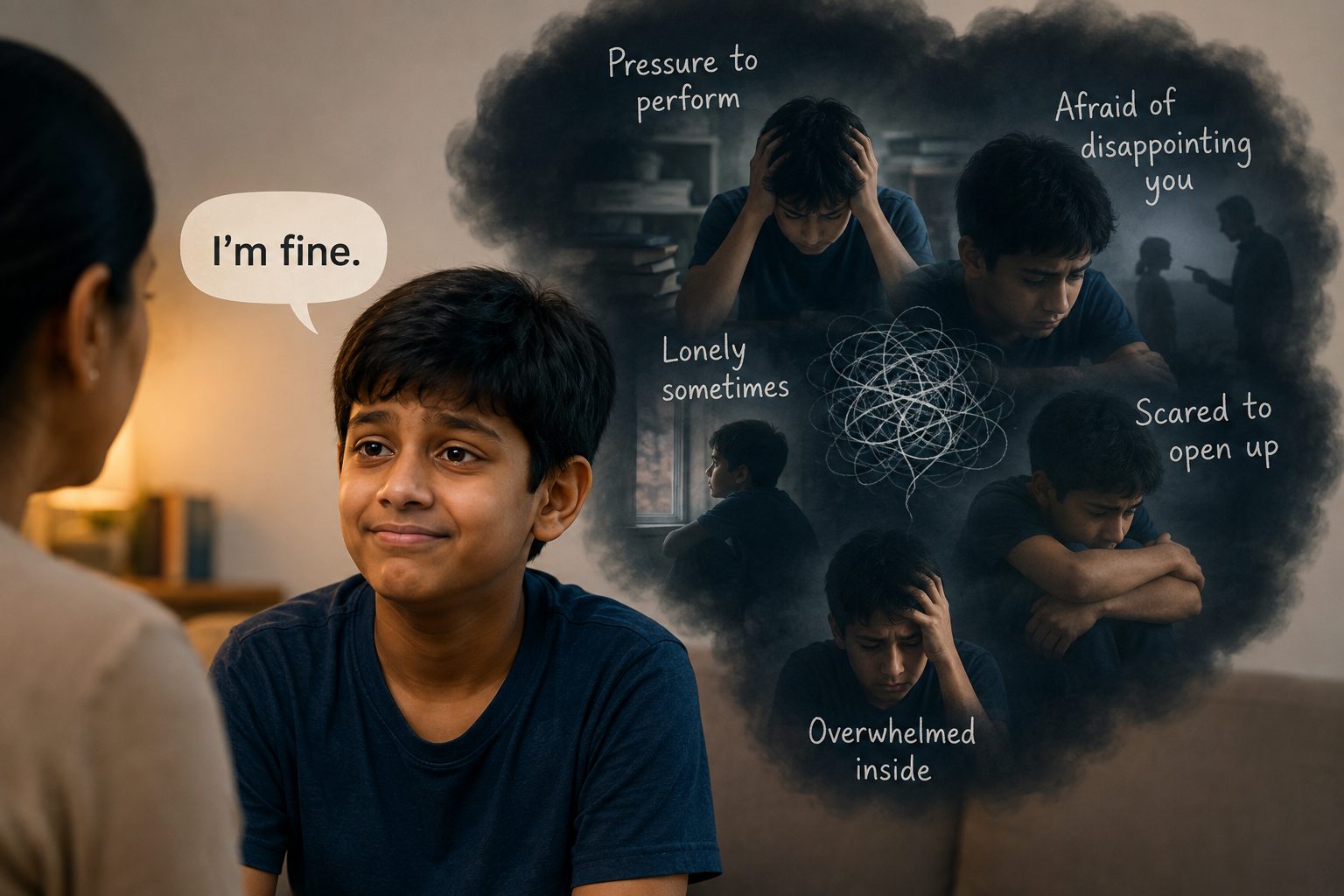
Ask a child how they're doing after a hard day, and the answer is almost reflexive: "I'm fine." Said quickly, said automatically, often said even when it plainly isn't true. This pattern shows up across many family cultures, and it deserves a more careful look than a simple verdict of "our culture suppresses feelings" — because the honest research on this is more nuanced, and more interesting, tha...

Read more →
Mirror Test: Ask Your Child These 5 Questions Tonight - Their Answers Will Surprise You SEL
Mirror Test: Ask Your Child These 5 Questions Tonight - Their Answers Will Surprise You

Developmental psychologist Philippe Rochat's influential research literally used a mirror to study how self-awareness unfolds in early childhood — the classic finding that a child recognizes their own reflection somewhere around 18 to 24 months. But Rochat's deeper point, often lost in the simplified version of the finding, was this: recognizing your own face in a mirror is only the most basic lay...

Read more →
Why 'What's Wrong With You?' Is the Most Damaging Question in Indian Parenting SEL
Why 'What's Wrong With You?' Is the Most Damaging Question in Indian Parenting

Four words, usually said in frustration, often without a second thought: "What's wrong with you?" It's such a common reflex in Indian households — after a bad grade, a broken rule, a public embarrassment — that it barely registers as a real question anymore. But psychologist June Tangney's decades of research on shame versus guilt, including studies specifically conducted with children, suggest th...

Read more →
Growth Mindset Is Not Enough: Why Your Child Also Needs an 'Emotion Mindset' SEL
Growth Mindset Is Not Enough: Why Your Child Also Needs an 'Emotion Mindset'

Here's a finding that quietly undermines a decade of growth-mindset parenting advice: believing intelligence can improve with effort and believing emotions can be managed and changed turn out to be two genuinely separate beliefs — and a child can hold one without the other. A child fully convinced that practice makes them smarter can, at the very same time, believe their anger, anxiety, or sadness...

Read more →
The Journaling Habit That Changed One Family's Dinner Table Forever SEL
The Journaling Habit That Changed One Family's Dinner Table Forever

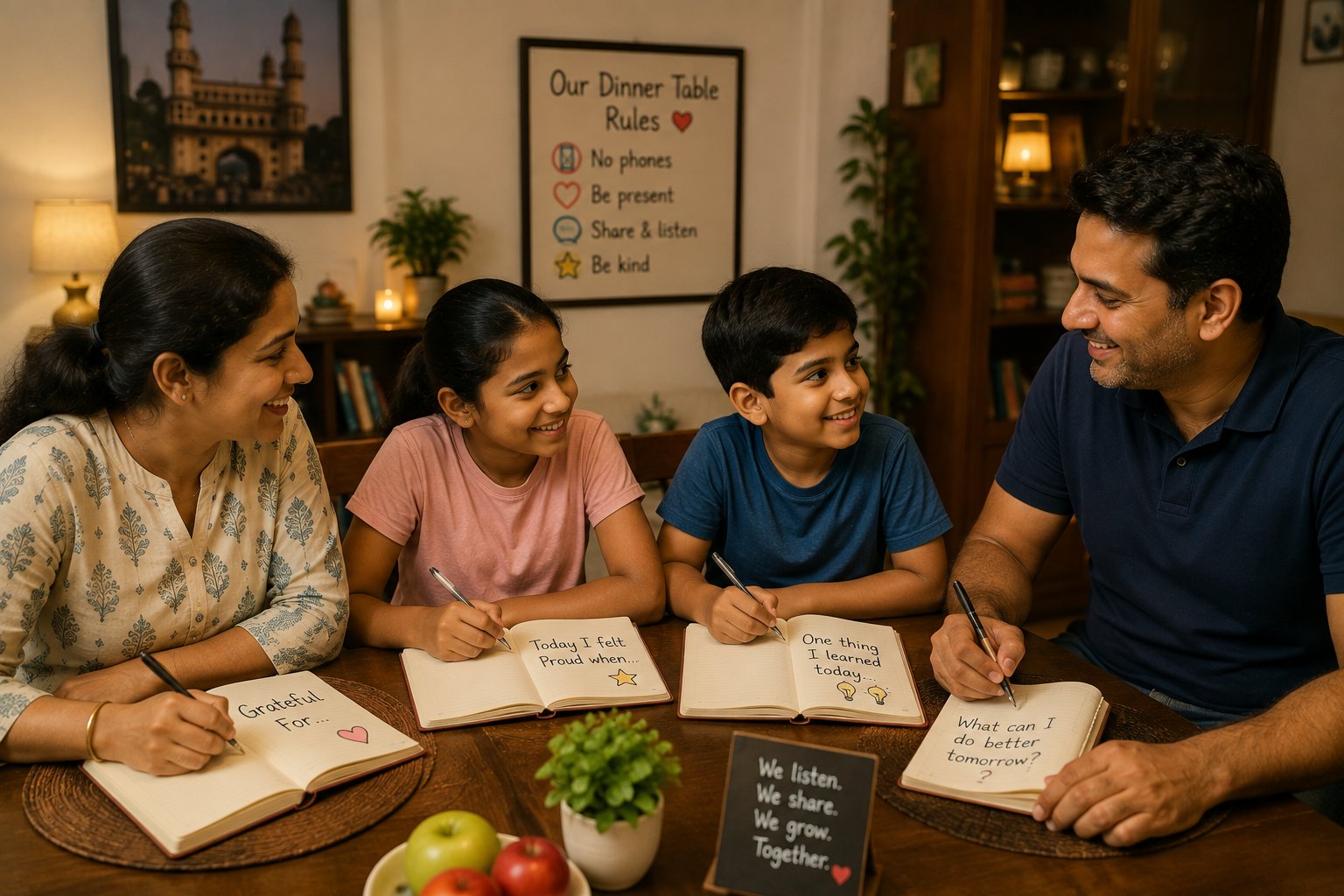
Picture a fairly ordinary dinner table in Hyderabad, on a fairly ordinary Tuesday. Two parents, two kids, the usual soundtrack: cutlery, a TV murmuring in the next room, and the same three-word exchange that had quietly become the whole of their evening conversation. "How was school?" "Fine." "Anything happen?" "No, not really." Not hostile. Not worrying, exactly. Just… thin. A family sitting toge...

Read more →
Your Child's Hidden Strengths: The Assessment Schools Never Give (But Should) SEL
Your Child's Hidden Strengths: The Assessment Schools Never Give (But Should)

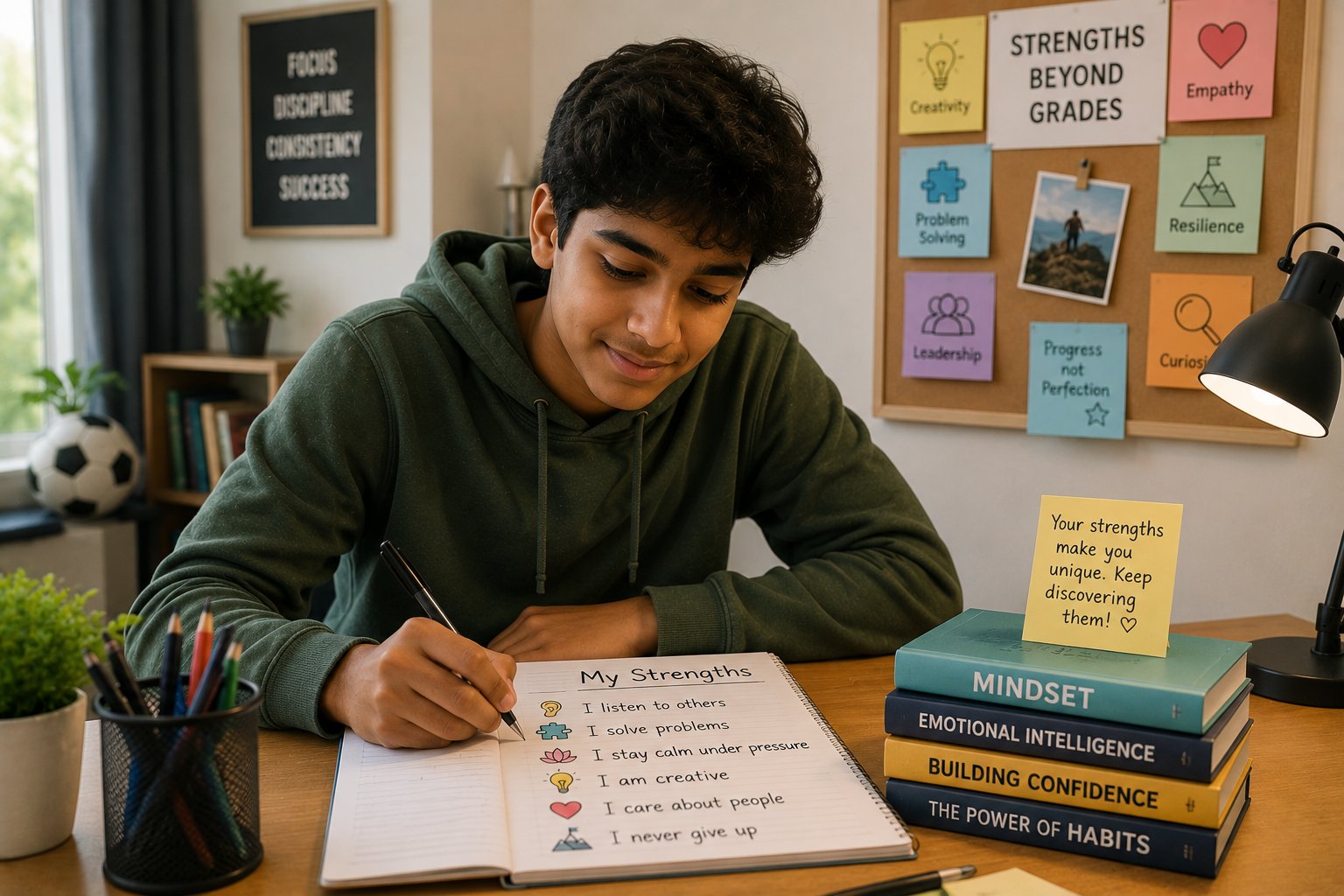
Every child in a mainstream school gets measured constantly: spelling tests, maths quizzes, reading levels, science marks, report cards every term. Ask the same school to describe a child's specific emotional strengths — not "well-behaved" or "a good student," but something genuinely specific like courage, fairness, or perseverance — and most schools have nothing structured to offer at all. The as...

Read more →
The Confidence Myth: Why Telling Your Child 'You're Amazing' Is Actually Backfiring SEL
The Confidence Myth: Why Telling Your Child 'You're Amazing' Is Actually Backfiring

A longitudinal study of 120 parent-child pairs in the Netherlands, tracking children through the exact years — ages 7 to 11 — when self-esteem and narcissism first take shape, found something that directly contradicts the instinct behind most well-meaning parenting: parents' inflated praise predicted lower self-esteem in their children, not higher. Not neutral. Lower. The praise intended to build ...

Read more →
Your Child Scored 95% — But Can They Handle Rejection? The Question Parents Avoid SEL
Your Child Scored 95% — But Can They Handle Rejection? The Question Parents Avoid

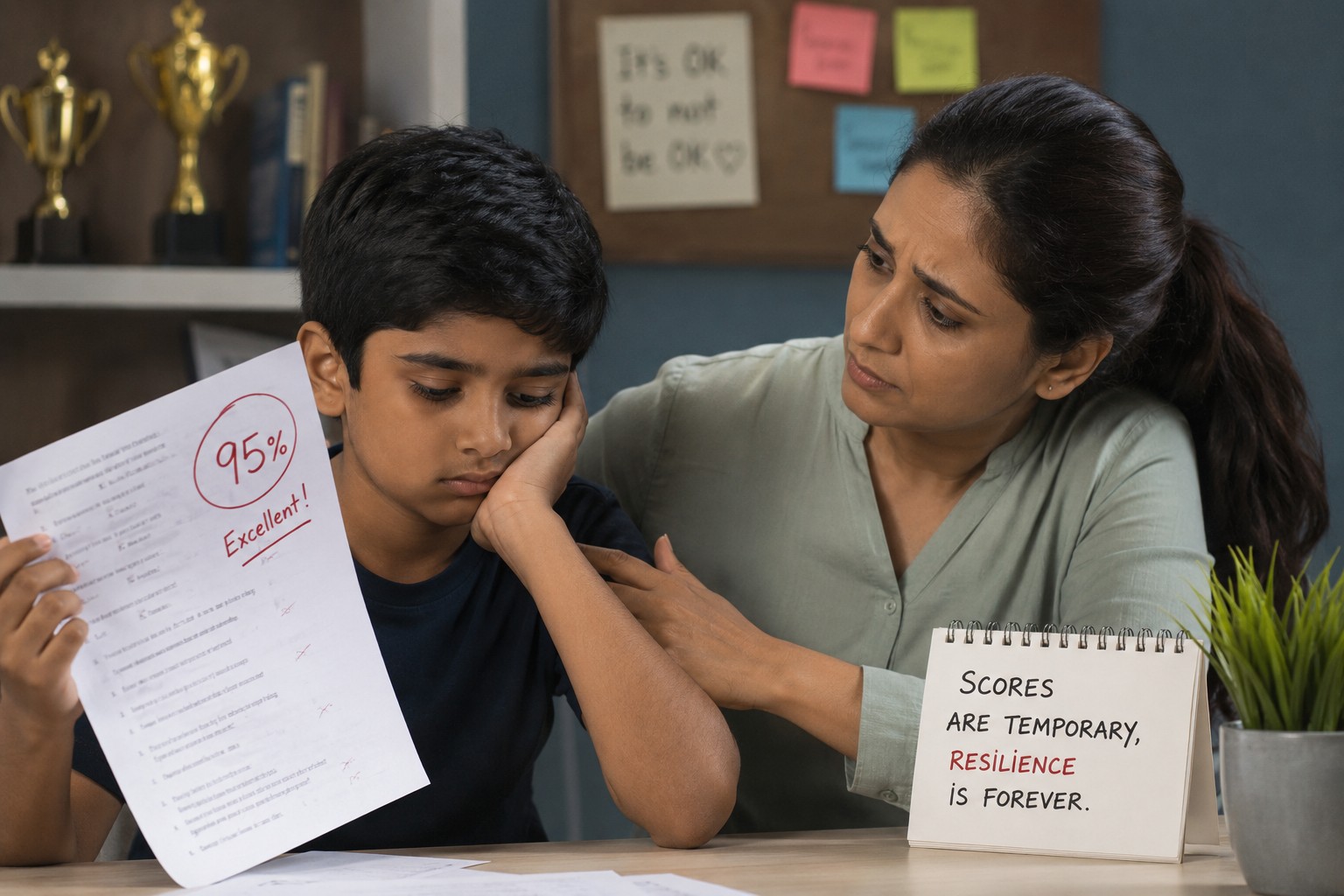
Here's a question worth sitting with honestly: if your child scored 95% on their last exam, do you actually know how they'd handle scoring 60% on the next one? Most parents assume the answer follows naturally from the first number — a child who performs that well academically must, surely, have the resilience to handle an occasional setback. Decades of research from psychologist Suniya Luthar sugg...

Read more →
The Silent Crisis: What the Real Numbers Actually Say About Emotional Distress in Indian Children SEL
The Silent Crisis: What the Real Numbers Actually Say About Emotional Distress in Indian Children

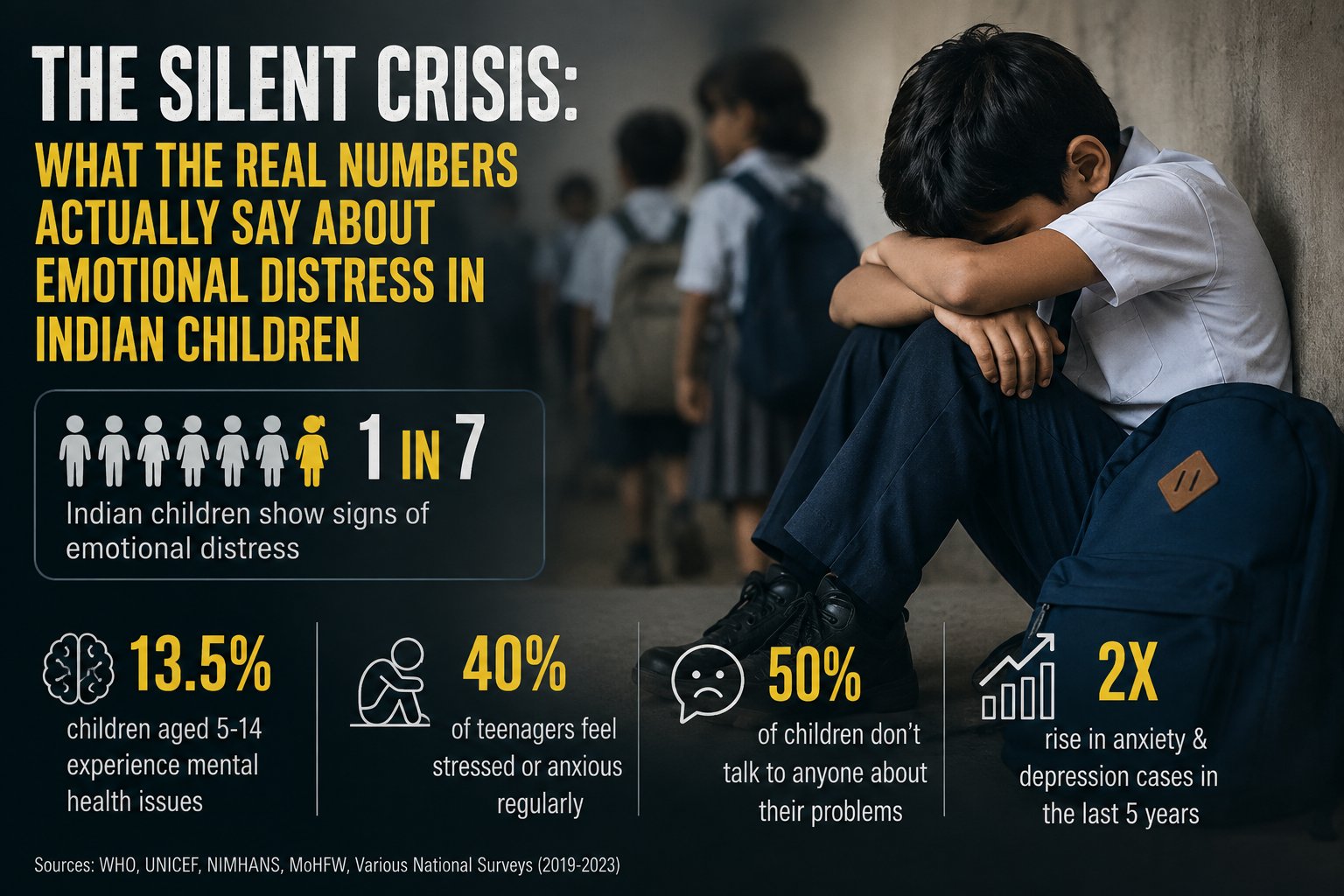
Numbers about children's mental health get thrown around constantly, and honestly, a lot of them don't hold up well under a closer look. So before making any claim about how widespread emotional distress actually is among Indian children, it's worth doing the less exciting thing first: looking at what the actual published research says, study by study, rather than reaching for the single most dram...

Read more →
Why Your Child Lies to You About Being 'Fine' — And What They're Actually Feeling Inside SEL
Why Your Child Lies to You About Being 'Fine' — And What They're Actually Feeling Inside

For decades, researchers studying how well parents actually know what's going on in their children's lives assumed the answer came down to effort: how closely a parent monitored, questioned, and tracked their child. Then, in a body of research led by Håkan Stattin and Margaret Kerr, that assumption got overturned. Voluntary disclosure — the child's own choice to share — turned out to be the single...

Read more →
10 Things Indian Parents Say That Accidentally Block Their Child's Self-Awareness SEL
10 Things Indian Parents Say That Accidentally Block Their Child's Self-Awareness

None of the phrases on this list come from cruelty. Every single one is something a genuinely loving parent says, often reflexively, often because it's exactly what was said to them growing up. That's precisely what makes this list worth reading carefully — the harm here isn't in the intent. It's in a specific mechanism: each phrase interrupts a child's own reflective process at the exact moment s...

Read more →
WhatsApp